G★★★★★Google Review
Amber B.
“Resolving my jaw pain and limited jaw mobility issues.”

Boston Seaport • Anton G. Andrews, DMD • 20+ years of TMJ/TMD experience
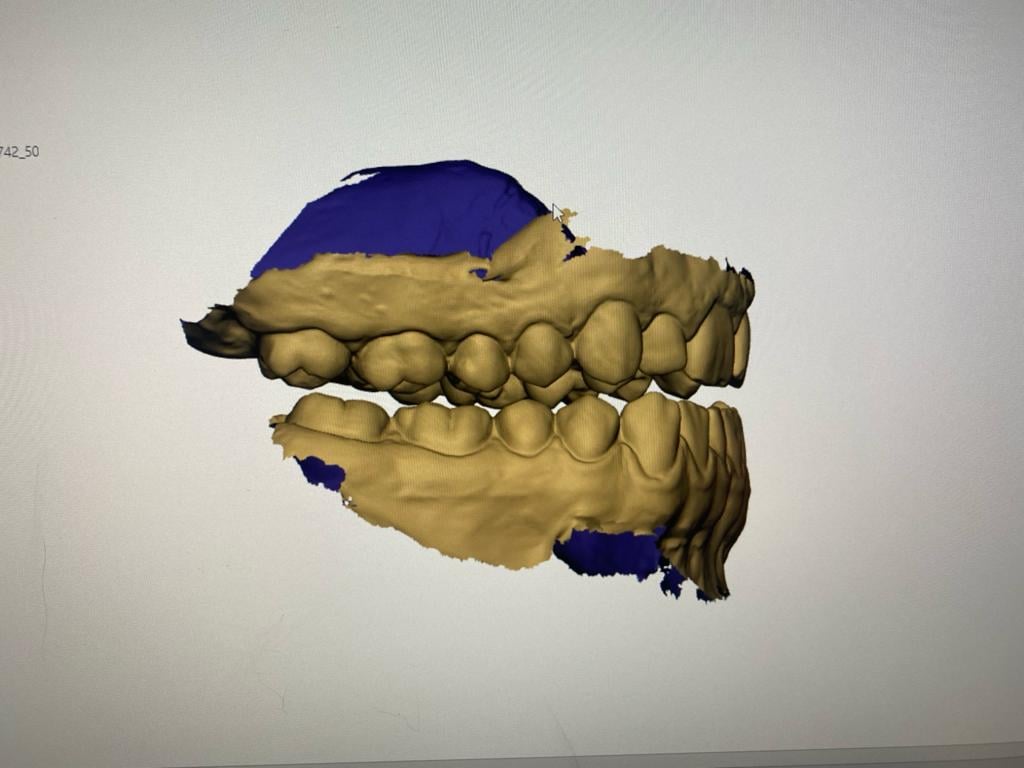
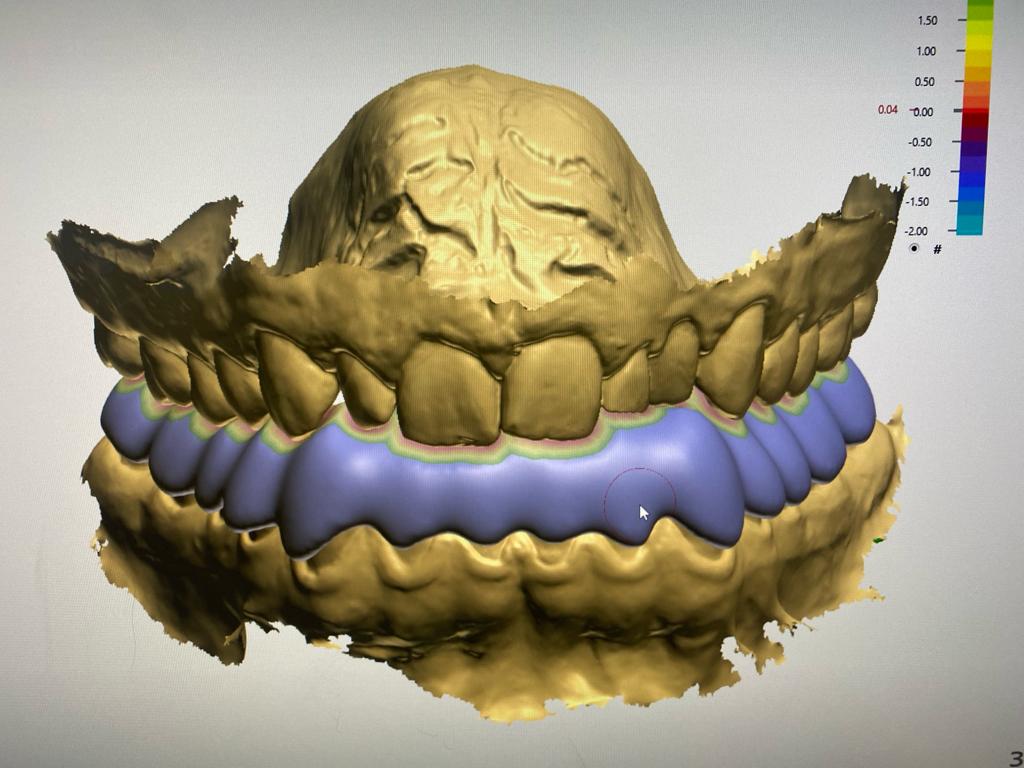
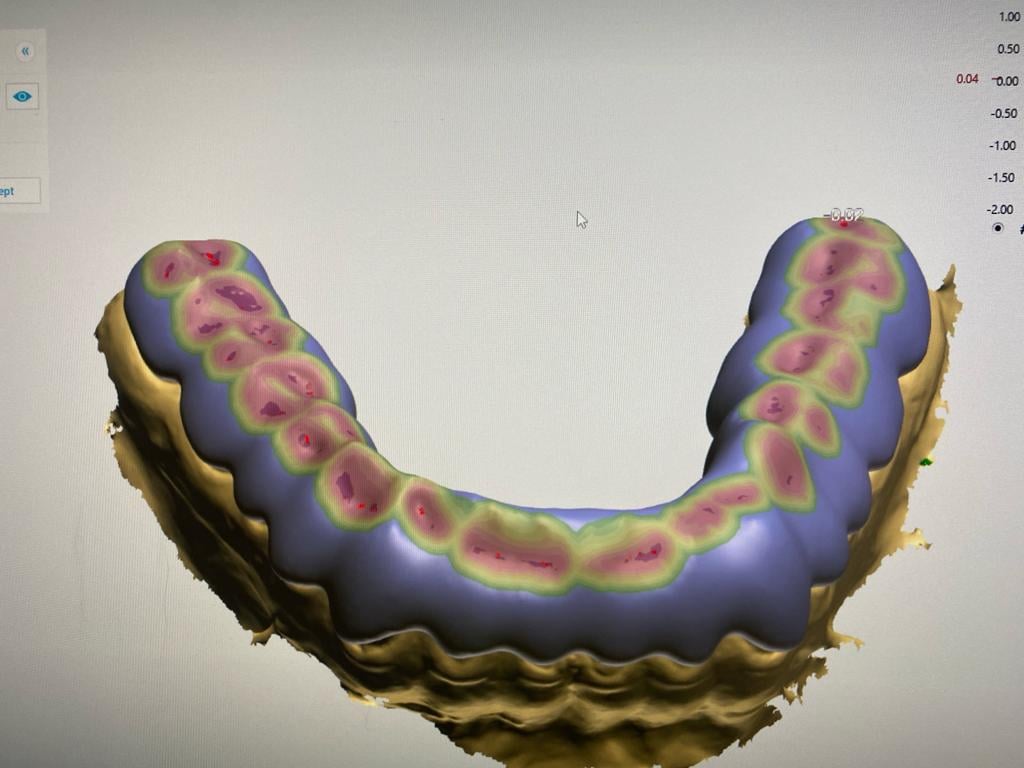
Dr. Andrews evaluates the jaw joints, muscles, bite, mandibular position, movement, and functional loading before recommending treatment. Advanced digital and 3D diagnostics are used when clinically indicated.
Amber B.
“Resolving my jaw pain and limited jaw mobility issues.”
Mary
“I am now able to eat normally again and no longer have jaw or ear pain.”
Deniz
“My clicking and discomfort are gone, and my headaches and tension improved.”
TMJ/TMD Care with Anton G. Andrews, DMD
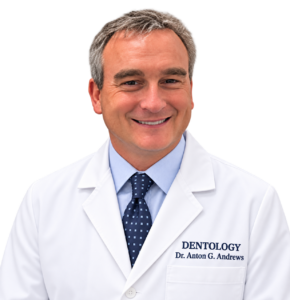
Dr. Andrews has more than 20 years of experience evaluating and treating complex TMJ/TMD and bite-related problems. His approach considers how the jaw joints, muscles, bite, mandibular position, movement, and functional loading interact before treatment is selected.
DENTOLOGY emphasizes conservative, non-invasive, and reversible approaches whenever appropriate and does not begin with routine irreversible adjustment of healthy teeth.
★★★★★
I started coming here in February 2026 for TMJ issues, mainly jaw clicking, discomfort, and a lot of tension around my jaw and neck. I’ve had such a great experience and have seen a huge difference since starting treatment. My clicking and discomfort are gone, my jaw and bite feel much better aligned, and I’ve also noticed a big improvement in the headaches and tension I used to get.
What I really appreciate is how knowledgeable and thorough the doctor is. He explains what he’s doing and why at every step, and uses visuals to make everything easy to understand rather than just speaking in medical terms. We’ve used different approaches, including TENS therapy to relax the muscles and help with my clenching, and I always felt like there was a clear plan for my treatment.
They really focus on figuring out the root cause instead of just temporarily treating the symptoms, which was important to me. Even now that I’m doing much better, they still check in and make adjustments when needed to make sure the results last.
Everyone there is also genuinely lovely and very responsive. If I ever have an issue, they always find a way to get me in and help. The Seaport location is super convenient, clean, and easy to get to. Overall I’m really happy I found them and would definitely recommend them to anyone struggling with TMJ issues.
There is no single treatment that is appropriate for every TMJ patient. An experienced TMJ/TMD dentist should first determine whether symptoms are primarily related to the jaw joint, muscles, bite, clenching or grinding, posterior tooth support, mandibular position, or a combination of factors.
Dr. Andrews’ evaluation focuses on identifying these contributing factors before treatment begins. This is particularly important for patients with complex symptoms or those who have already tried night guards, orthodontics, Botox, physical therapy, or other treatments without lasting improvement.
If you’re looking for a TMJ specialist in Boston, consider a clinician who routinely evaluates temporomandibular disorders and can assess the jaw joints, chewing muscles, bite, mandibular position, dental support, movement, and relevant imaging together. Dr. Anton G. Andrews, DMD has more than 20 years of experience evaluating and treating TMJ/TMD and bite-related problems at DENTOLOGY in Boston Seaport.
★★★★★
Mary TMJ / TMD Patient
Dr. Anton Andrews and his team were exceptional throughout my TMJ/TMD treatment. From the beginning, they were incredibly accommodating and took the time to truly listen to every concern I had, including my jaw pain and ear pain.Dr. Andrews performed a thorough evaluation, carefully reviewed the findings, and clearly explained my treatment options. Using advanced technology along with his clinical expertise, he was able to identify the underlying issue and create a personalized treatment plan. Over the course of several months, he provided two custom devices and thoughtfully adjusted my care as my condition improved. Thanks to Dr. Andrews, my symptoms have improved tremendously. I am now able to eat normally again and no longer have jaw or ear pain.I am incredibly grateful for the outstanding care, attention, and expertise I received at Dentology.
More than 20 years of experience evaluating and treating TMJ/TMD and bite-related conditions
Complex-case focus, including patients whose symptoms have persisted despite previous treatment
Comprehensive diagnosis evaluating the joints, muscles, bite, mandibular position, movement, and functional habits
Advanced digital and 3D diagnostics when clinically indicated
Conservative, non-invasive and reversible treatment whenever appropriate
No routine irreversible grinding or adjustment of healthy teeth as the starting approach
TMJ treatment at DENTOLOGY starts with diagnosis. Dr. Andrews evaluates the jaw joints, muscles, bite, mandibular position, movement, and functional habits to determine which findings may be contributing to a patient’s symptoms.
Temporomandibular disorders, or TMD, are a group of conditions affecting the jaw joints, chewing muscles, and related structures. Symptoms can include pain, joint sounds, locking, limited movement, headaches, and other functional complaints.
TMD is multifactorial. Depending on the patient, relevant factors can include joint inflammation or degeneration, disc disorders, muscle overload, clenching or grinding, trauma, skeletal relationships, dental support, and other medical or functional conditions. A clinical evaluation is needed to determine which findings are important in an individual case.
No single bite relationship explains all TMD. Occlusion and posterior dental support may be clinically relevant in some patients, particularly when symptoms occur with bite changes, tooth damage, joint disease, or altered mandibular function. These relationships should be evaluated together with the joints and muscles rather than in isolation.
Jaw position can change how forces are distributed through the temporomandibular joints and chewing muscles. In selected patients, mandibular position may be one part of the mechanical picture, but it should be interpreted together with imaging, movement, symptoms, muscle findings, and the bite.
Loss or alteration of posterior dental support changes how forces are distributed through the dentition. Whether that contributes to a patient’s TMD cannot be assumed from the bite alone and should be assessed together with joint, muscle, and functional findings.
Clenching and grinding can repeatedly load the teeth, chewing muscles, and jaw joints. In susceptible patients, this may contribute to muscle fatigue, tooth wear or fracture, tenderness, and joint symptoms.
Airway, tongue posture, and craniofacial function may be relevant to selected patients, but they are not assumed to be the cause of TMD. When clinically indicated, Dr. Andrews considers them as part of the broader functional assessment and may recommend evaluation by other appropriate clinicians.
Diagnosis begins with the history and clinical examination. Depending on the presentation, evaluation may include jaw movement, muscle and joint examination, bite relationships, dental support, and imaging such as CBCT when clinically indicated. MRI or referral to another specialist may be appropriate in selected cases.
Treatment is individualized to the diagnosis and may include conservative or reversible approaches, management of parafunction, orthotic therapy, restorative or orthodontic planning, physical therapy or medical co-management when appropriate. The specific plan depends on the patient’s findings and goals.
Some TMD conditions remain stable or improve, while others can become persistent or show structural joint changes. New locking, progressive bite change, reduced opening, significant pain, or worsening function warrants evaluation rather than assuming the condition will resolve on its own.
No treatment can guarantee a permanent result for every TMD condition. The goal is meaningful, durable improvement in symptoms and function while addressing the clinically relevant factors identified during diagnosis and monitoring the patient’s response over time.
★★★★★
After two years of dedicated treatment and care from Dr. Andrews and the DENTOLOGY team, my symptoms have improved to the point where I experience little to no TMJ discomfort.
Beyond that, my overall dental health and confidence have significantly improved.
I’m incredibly grateful for the level of care I received and highly recommend Dentology.
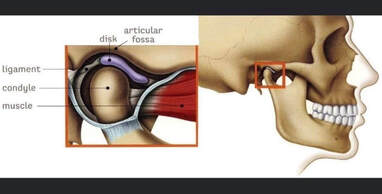
The temporomandibular joints (TMJ) are not designed to bear weight, unlike joints such as the hip or knee. This is one reason why joint problems in the TMJ are common. The TMJ is a type of synovial joint, which means it has two spaces filled with fluid—an upper and a lower space, separated by a disc.
Additionally, the TMJ is unique because it connects the lower jaw (mandible) to the skull, and the two sides of the mandible need to work together perfectly to allow the teeth to align properly when the mouth closes. This is unlike other joints, where bones meet but don’t have to work in sync with a set of teeth.
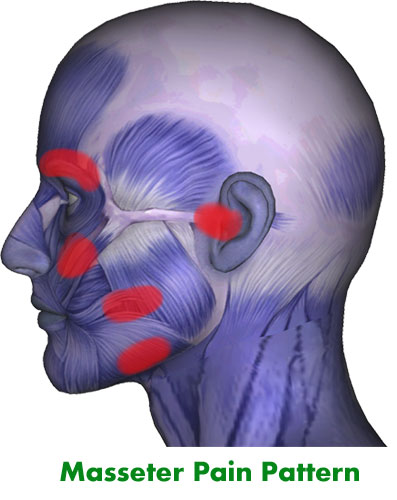
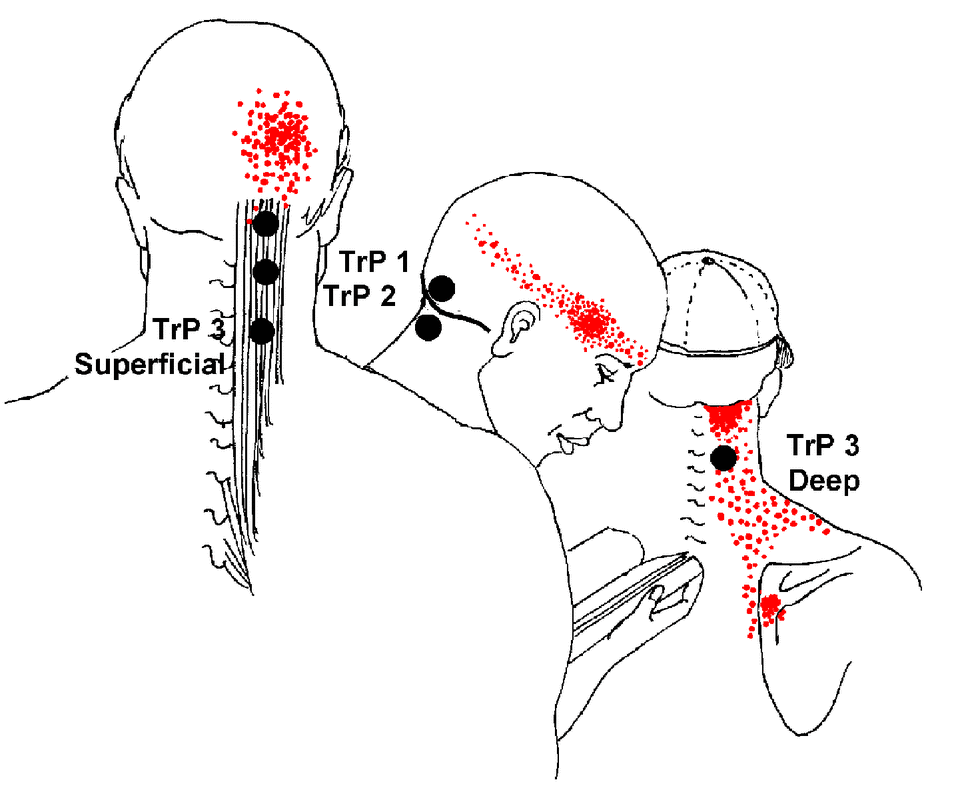
Jaw disorders, clenching, and grinding can coexist with headaches, facial pain, ear symptoms, and neck or shoulder tension. These symptoms are not specific to TMD, so diagnosis should consider dental, musculoskeletal, neurologic, and medical causes when appropriate.
Parafunction such as clenching or grinding can place repeated load on the teeth, chewing muscles, and temporomandibular joints. In susceptible patients, this may contribute to muscle fatigue, tooth wear or fracture, joint irritation, and morning jaw discomfort.
At DENTOLOGY, the goal is to identify clinically relevant contributing factors before recommending treatment rather than assuming that every headache or ear symptom originates from the TMJ.
If you develop sudden severe jaw pain, jaw locking, a major limitation in opening, or significant jaw symptoms after trauma, see our Boston emergency dental and TMJ guidance.
Dental Orthotic is an intraoral appliance that precisely places the lower jaw into the specific position, according to the diagnostic data, where the chewing muscles and TMJs are in a comfortable physiological equilibrium. The orthotic helps to test this new bite, provides pain relief and healing. Orthotic Therapy is the advanced Neuromuscular Treatment, utilized when other appliances had failed to provide consistent, profound relief over a long period of time.
Neuromuscular therapy using TENS is a highly effective, non-invasive approach for treating temporomandibular disorders (TMD) and tension-type headaches. At DENTOLOGY, Dr. Andrews utilizes advanced Transcutaneous Electrical Nerve Stimulation (TENS) to gently relax overactive jaw and facial muscles, allowing the jaw to return to a more natural, balanced position.
By reducing muscle tension and improving neuromuscular function, this approach helps relieve pain, restore proper jaw movement, and decrease referred symptoms such as headaches and ear discomfort—without the need for invasive or uncomfortable injections.
This technology-driven, patient-centered method is part of Dr. Andrews’ comprehensive approach to diagnosing and treating the underlying cause of TMD, rather than simply managing symptoms.
TENS – Transcutaneous Electric Nerve Stimulation is the valuable diagnostic tool and another treatment option for TMD.
It is used for the following:
★★★★★Amber B.
I’m thrilled to share my fantastic experience with Dr. Anton Andrews. Over the past year, he successfully helped treat my TMJ, resolving my jaw pain and limited jaw mobility issues. His insightful suggestions and the custom mouth guard he provided played a crucial role in alleviating my discomfort. Dr. Andrews’ expertise and dedication truly made a positive impact on my well-being, I was really worried about my teeth and stress caused to it and happy to be in a much better state!
Ear Infections, Tinnitus, and Ear Fullness. Retruded mandible — when the lower jaw sits further back than normal — can affect ear health. This jaw position can put pressure on the ear and the eustachian tube, leading to ear infections, a feeling of fullness or stiffness, and sometimes ringing (tinnitus).
Mouth breathing, often caused by nasal blockage or poor posture, can worsen these issues by increasing muscle tension around the jaw and ears and reducing proper ear ventilation. Treating jaw alignment and improving breathing can help relieve these symptoms.

Step 1 · Contact details
Tell us how to reach you. We’ll save your inquiry as you continue.
Final review · Consultation inquiry
The $275 consultation fee will be applied toward your implant treatment if you proceed with treatment.
The $275 New Patient Consultation includes a comprehensive dental examination, necessary diagnostic X-rays, and a review of findings and treatment recommendations. Cleaning is not included; it is determined and performed or scheduled separately based on clinical and periodontal needs.
If your dental insurance plan includes out-of-network benefits, DENTOLOGY will submit the applicable consultation services to your insurance carrier. Any reimbursement is determined by your individual plan and the carrier's policies.
Pay $275 Securely with SquareConsultation fee acknowledged
No payment has been collected. The DENTOLOGY front desk can now follow up with you about scheduling the consultation.
Payment verified
We appreciate the opportunity to help you. Your consultation payment has been confirmed, and our team will be glad to assist you with the concerns you shared.