Multiple Teeth Replacement With Dental Implants in Boston
Replace several missing or failing teeth with a digitally planned implant restoration designed around your final teeth, available bone, gum tissues, bite, and the forces the restoration must withstand.
Dr. Andrews emphasizes preserving existing anatomy and coordinating treatment whenever possible. Immediate implant placement, bone reconstruction, and other procedures may be combined in selected cases to reduce separate surgeries, recovery periods, and the overall treatment timeline.
Designed Beyond Just Replacing Teeth
Select a topic to see how Dr. Andrews approaches complex multiple-tooth implant treatment.
IMPLANT BRIDGE DESIGN
Strategic Support Instead of One Implant Per Tooth
+
When several adjacent teeth need replacement, strategically positioned implants can support a connected bridge rather than placing an implant beneath every missing tooth.
This provides appropriate spacing for bone and soft tissues while allowing the restoration to function as a splinted structure. Dr. Andrews also designs these cases with additional mechanical reserve for patients who clench or grind.
IMMEDIATE REPLACEMENT
Fewer Separate Surgical Stages
+
When the anatomy and clinical conditions allow, failing teeth may be removed and implants placed during the same surgical visit.
Bone grafting or sinus augmentation may also be coordinated with implant placement in selected cases, reducing repeated surgeries and separate recovery periods.
SOFT-TISSUE STABILITY
Build a Better Tissue Seal Around the Implant
+
Bone is only part of implant treatment. The thickness and quality of the gum tissue surrounding an implant are also important.
When tissues are thin, Dr. Andrews may enhance the peri-implant soft-tissue thickness to support a stable protective tissue seal, healthier tissue architecture, and long-term crestal bone stability.
BONE-STABILITY PRINCIPLES
Zero Bone Loss Concepts
+
DENTOLOGY incorporates principles described in Zero Bone Loss Concepts, with attention to soft-tissue thickness, implant depth, implant-abutment relationships, emergence profile, and restorative design.
The objective is to minimize unnecessary crestal bone remodeling and create conditions that support long-term stability around the implant restoration.
Why We Don't Use One Implant for Every Missing Tooth
When three or more adjacent teeth need replacement, the goal is not simply to place the largest possible number of implants. Dr. Andrews plans the final restoration first, then determines the number and position of implants needed to provide appropriate biological and mechanical support.
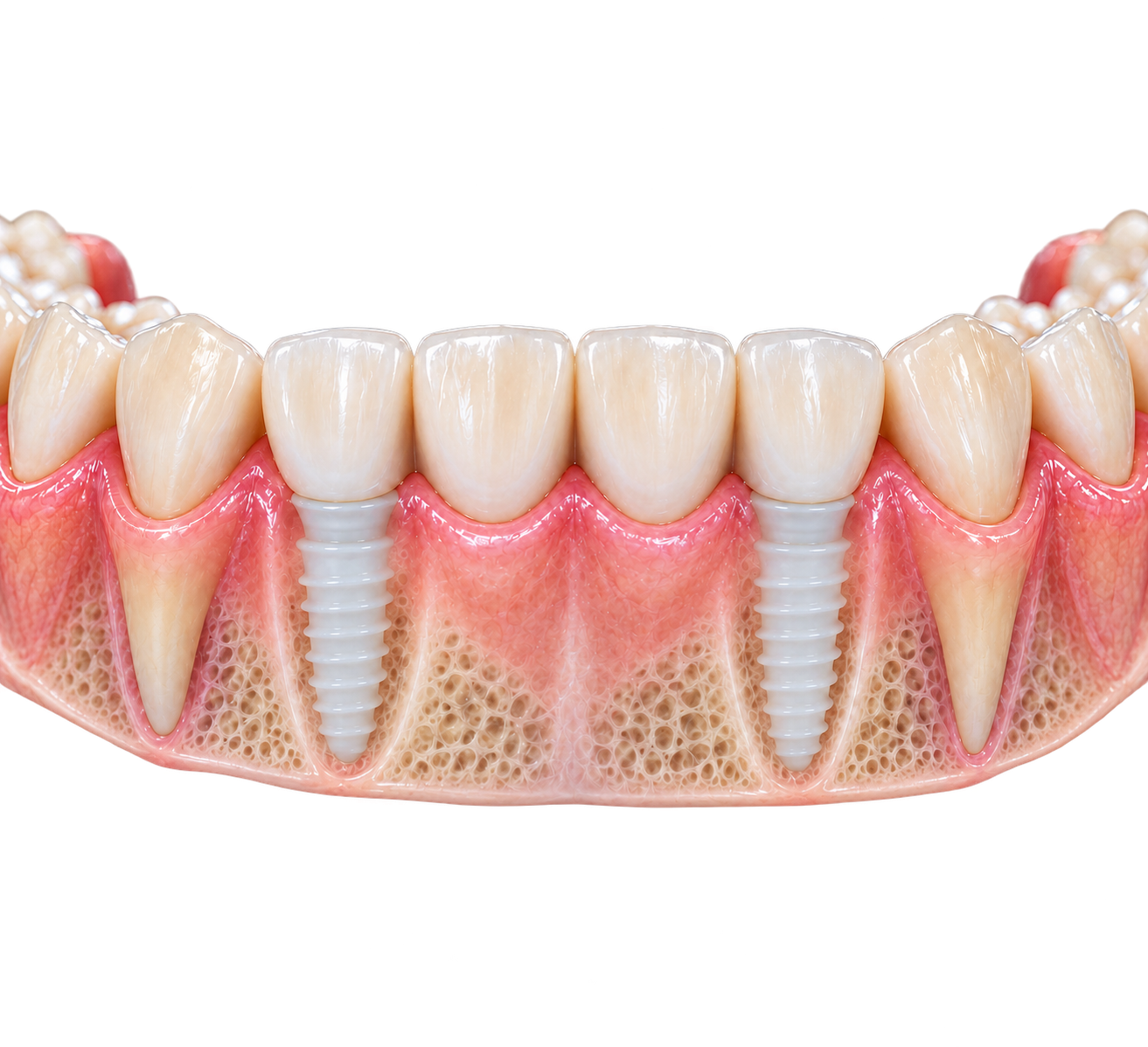
Several Teeth Can Be Supported by Strategically Positioned Implants
An implant-supported bridge can replace several adjacent teeth without placing an implant beneath every individual crown.
Strategic spacing leaves room for supporting bone and soft-tissue architecture while allowing multiple implants to work together as part of a connected restoration.
01
STRATEGIC SPACING
The Right Number of Implants in the Right Positions
+
When several adjacent teeth are being replaced, placing an implant beneath every missing tooth may unnecessarily crowd the available space.
An implant-supported bridge allows implants to be positioned more strategically while preserving room for supporting bone and healthy soft-tissue architecture between implant sites.
The objective is not simply to use fewer implants. It is to use the appropriate number of implants in positions that provide effective biological and mechanical support.
02
SPLINTED SUPPORT
Allow Multiple Implants to Work Together
+
Connecting multiple implant-supported teeth into a bridge allows the restoration to function as a coordinated structure rather than treating every implant and crown as an isolated unit.
In selected cases, splinting is incorporated into the restorative design to help distribute functional forces across the supporting implants.
The final design depends on implant position, bridge span, available bone, restorative space, bite forces, and the individual patient's anatomy.
03
HIGH-LOAD DESIGN
Over-Engineered for Clenching & Grinding
+
Patients who clench or grind can place greater mechanical demands on implants, screws, restorative materials, and the supporting bridge.
Dr. Andrews plans multi-tooth implant restorations with additional mechanical reserve when higher forces are expected.
04
BIOLOGICAL SUPPORT
Bone and Gum Tissue Matter as Much as the Implant
+
Long-term implant treatment depends on more than placing an implant into bone. The surrounding bone and soft tissues create the biological environment around the restoration.
When gum tissue is thin, Dr. Andrews may enhance peri-implant soft-tissue thickness to help establish a stable protective tissue seal and support long-term crestal bone stability.
DENTOLOGY incorporates principles from Zero Bone Loss Concepts, including attention to tissue thickness, implant position, implant-abutment relationships, emergence profile, and restorative design.
Over-Engineered Does Not Mean Over-Treated
The goal is not to place unnecessary implants or perform unnecessary surgery. It is to combine digital planning, strategic implant positioning, appropriate splinting, strong restorative design, healthy bone, and adequate soft-tissue support to create a restoration designed for real-world function.
Fewer Surgical Stages Through Better Planning
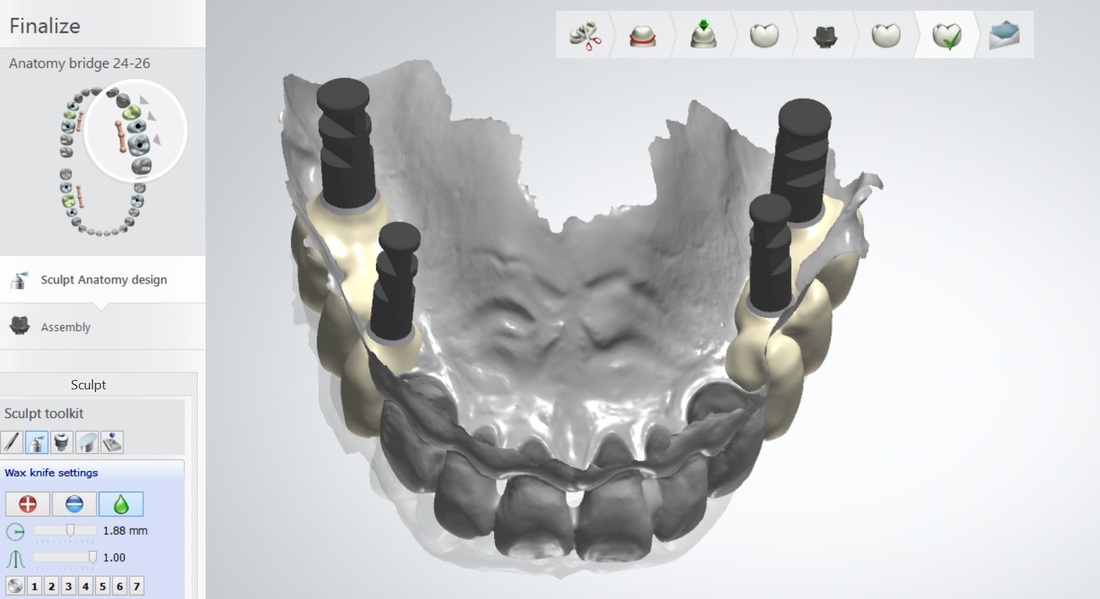
Complex multiple-tooth implant treatment does not always need to be divided into a long sequence of separate procedures. Dr. Andrews uses 3D imaging and digital restorative planning to identify which steps can safely be coordinated during the same treatment phase.
Plan More Before Surgery So Less Has to Be Done Separately
CBCT imaging, digital scanning, restorative design, bone evaluation, and implant positioning are considered together before treatment begins.
When the anatomy and clinical conditions allow it, failing teeth may be removed and implants placed immediately during the same visit. Bone grafting or sinus augmentation may also be coordinated with implant placement in selected cases.
3D Imaging + Digital Scanning
Evaluate teeth, bone volume, sinus anatomy, restorative space, bite, and soft tissues before surgery.
Plan the Final Teeth First
Implant positions are selected according to the intended bridge, available bone, biomechanics, and final restorative design.
Combine Appropriate Procedures
Extractions, immediate implants, grafting, or sinus elevation may be performed during the same surgical phase when the site allows it.
Complete the Digital Restoration
After integration and tissue healing, the final implant bridge is digitally designed for fit, function, cleansability, and appearance.
Fewer Surgical Visits
Immediate implant placement and simultaneous regenerative procedures may reduce the number of separate surgeries required in selected cases.
Fewer Recovery Periods
Combining appropriate procedures can mean fewer separate occasions involving anesthesia, postoperative swelling, and recovery.
Shorter Overall Timeline
Eliminating unnecessary staged waiting periods can shorten the time between extraction, implant placement, and definitive restoration.
Preserve Existing Anatomy
Immediate planning emphasizes preserving usable bone and soft tissue instead of allowing avoidable tissue loss before implant treatment begins.
Immediate Does Not Mean Appropriate for Everyone
Immediate implant placement or simultaneous grafting depends on the remaining bone, infection status, extraction socket anatomy, primary implant stability, sinus anatomy, soft tissues, and the restorative plan. Some sites are better treated in separate stages.
Find Out Which Treatment Stages Can Be Combined
Digital evaluation allows Dr. Andrews to determine whether immediate implant placement, grafting, or other procedures can be coordinated within a more efficient treatment plan.
Fewer Surgical Stages Through Better Planning
Complex multiple-tooth implant treatment does not always need to be divided into a long sequence of separate procedures. Dr. Andrews uses 3D imaging and digital restorative planning to determine which treatment steps can safely be coordinated.
Plan More Before Surgery So Less Has to Be Done Separately
CBCT imaging, digital scanning, restorative design, available bone, soft tissues, bite, and implant position are evaluated together before treatment begins.
When clinical conditions allow, failing teeth may be removed and implants placed during the same visit. Bone grafting or sinus augmentation may also be coordinated with implant placement in selected cases.
From Diagnosis to Final Restoration
3D Imaging + Digital Scanning
Evaluate failing teeth, available bone, sinus anatomy, restorative space, bite, and soft tissues before surgery.
Plan the Final Teeth First
Implant positions are planned according to the intended bridge, biomechanics, available bone, cleansability, and final restorative design.
Combine Appropriate Procedures
Extractions, immediate implant placement, bone grafting, or sinus elevation may be completed during the same surgical phase when clinically appropriate.
Complete the Digital Restoration
After integration and tissue healing, the final implant-supported bridge is digitally designed for fit, function, strength, cleansability, and appearance.
Immediate Placement Is Not Appropriate for Every Site
The decision depends on remaining bone, infection status, extraction socket anatomy, primary implant stability, sinus anatomy, soft tissues, bite forces, and the restorative plan. Some areas are better treated in separate stages.
Find Out Which Treatment Stages Can Be Combined
Digital evaluation allows Dr. Andrews to determine whether extractions, immediate implant placement, grafting, or other procedures can be coordinated into a more efficient treatment plan.
Successful Implant Treatment Is About More Than the Implant
Long-term stability depends on the biological environment surrounding the implant. Dr. Andrews plans the bone, gum tissue, implant position, restorative connection, and final bridge as one integrated system.
Build a Stronger Protective Tissue Seal
The gum tissue around an implant forms a protective barrier between the oral environment and the supporting bone.
When peri-implant tissue is thin, Dr. Andrews may increase its thickness to create a more favorable soft-tissue environment around the implant restoration.
The goal is to support a stable tissue seal, healthy contours, cleansability, and long-term crestal bone stability.
Preserve existing bone and reconstruct deficiencies only where additional support is required.
Enhance thin peri-implant soft tissues when greater tissue volume is beneficial.
Consider implant depth, abutment height, and restorative connection as part of the biological design.
Shape the final restoration to support healthy tissue contours and allow effective cleaning.
Incorporating Zero Bone Loss Concepts
DENTOLOGY incorporates principles described in Zero Bone Loss Concepts when planning implant treatment. The objective is not to promise literally zero bone remodeling, but to control factors that may influence early crestal bone changes around an implant.
Principles
01
SOFT-TISSUE THICKNESS
More Than Esthetics
+
Peri-implant soft-tissue thickness can influence the early remodeling response of the crestal bone.
When the tissue is thin, soft-tissue augmentation may be considered to create greater tissue volume around the implant and restorative connection.
02
IMPLANT + ABUTMENT
Plan the Restorative Connection Biologically
+
Implant depth and the height and design of the restorative connection influence where the soft tissue establishes itself around the restoration.
These relationships are considered before surgery rather than treating the abutment and final restoration as separate afterthoughts.
03
EMERGENCE PROFILE
Design How the Tooth Emerges Through the Gum
+
The shape of an implant crown or bridge as it passes through the gum tissue influences tissue contour, cleansability, and the space available around the implant.
Digital restorative planning allows this emergence profile to be considered together with implant position from the beginning.
04
PRESERVE FIRST
Use the Patient's Existing Anatomy Whenever Possible
+
Dr. Andrews' treatment philosophy emphasizes preserving existing bone and soft tissue before rebuilding what has already been lost.
Depending on the case, this may include careful extraction, immediate implant placement, ridge preservation, bone grafting, or soft-tissue enhancement.
Strong Implants Need Strong Supporting Tissues
Multiple-tooth implant treatment at DENTOLOGY is planned around both sides of the equation: mechanical strength to withstand function, clenching, and grinding, and biological support from healthy bone and stable soft tissues.
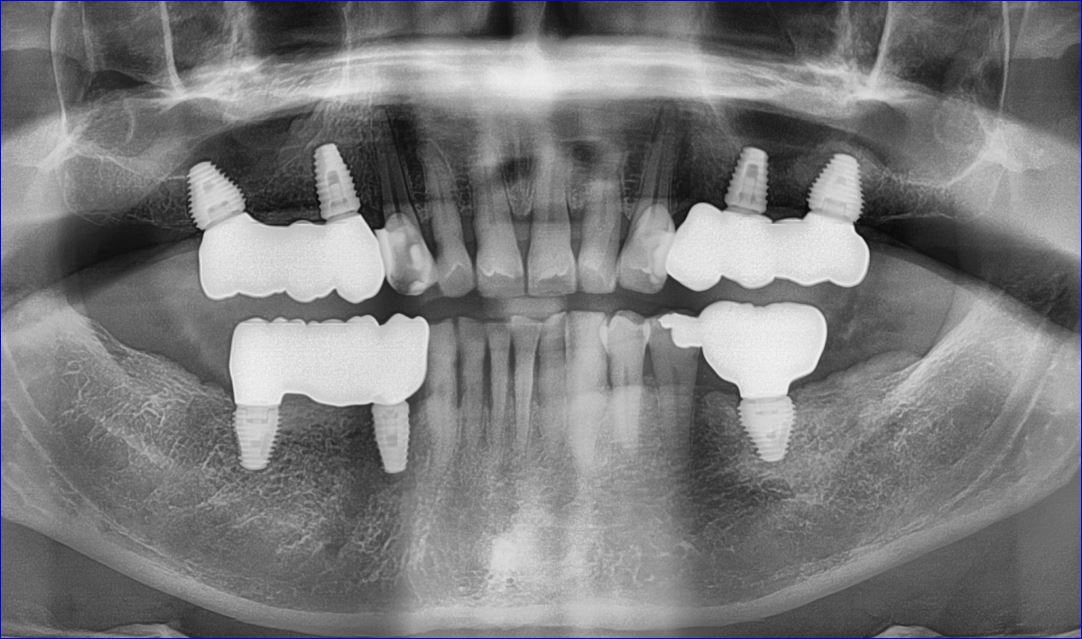
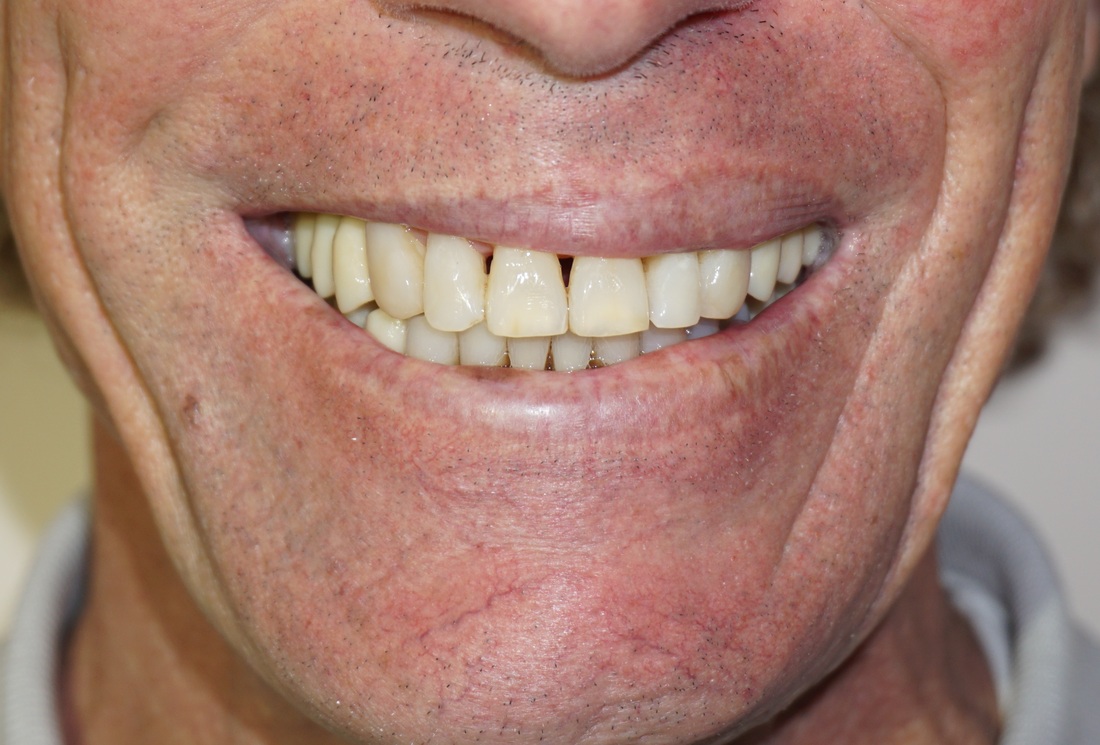
Full Posterior Rehabilitation With 7 Dental Implants
This case demonstrates how complex implant treatment across multiple areas of the mouth can sometimes be coordinated into one comprehensive surgical and restorative plan.
Missing Back Teeth in All Four Quadrants
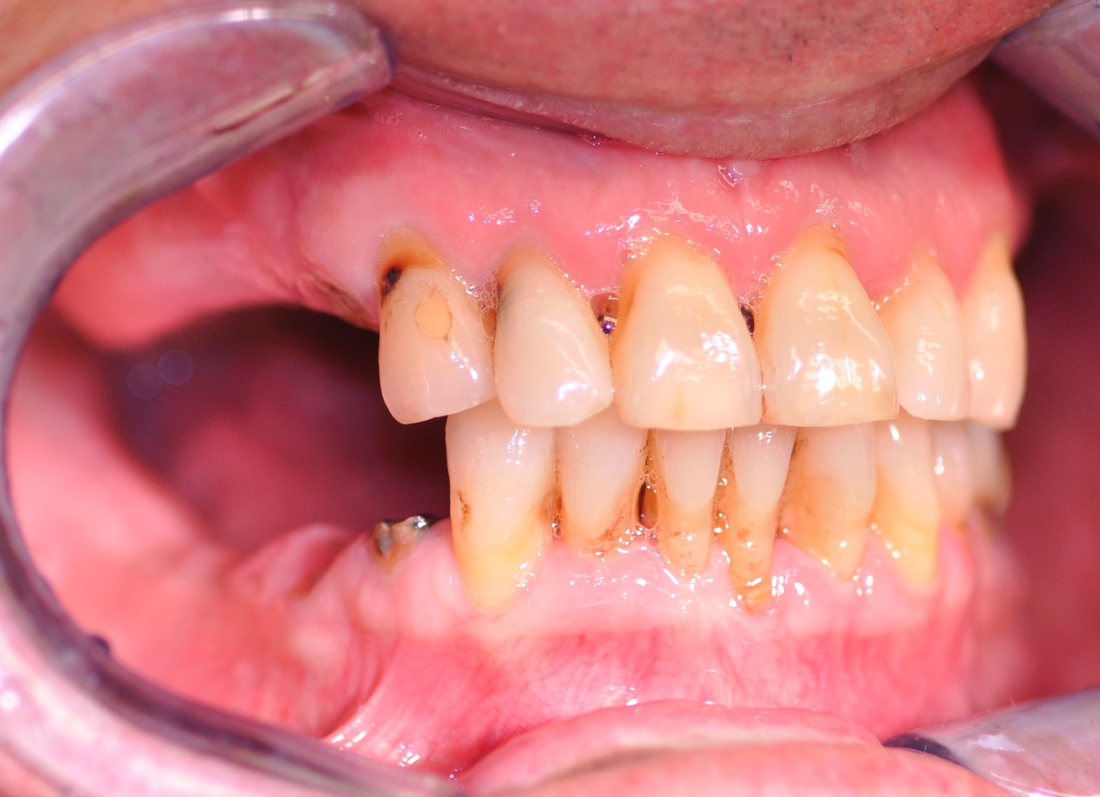
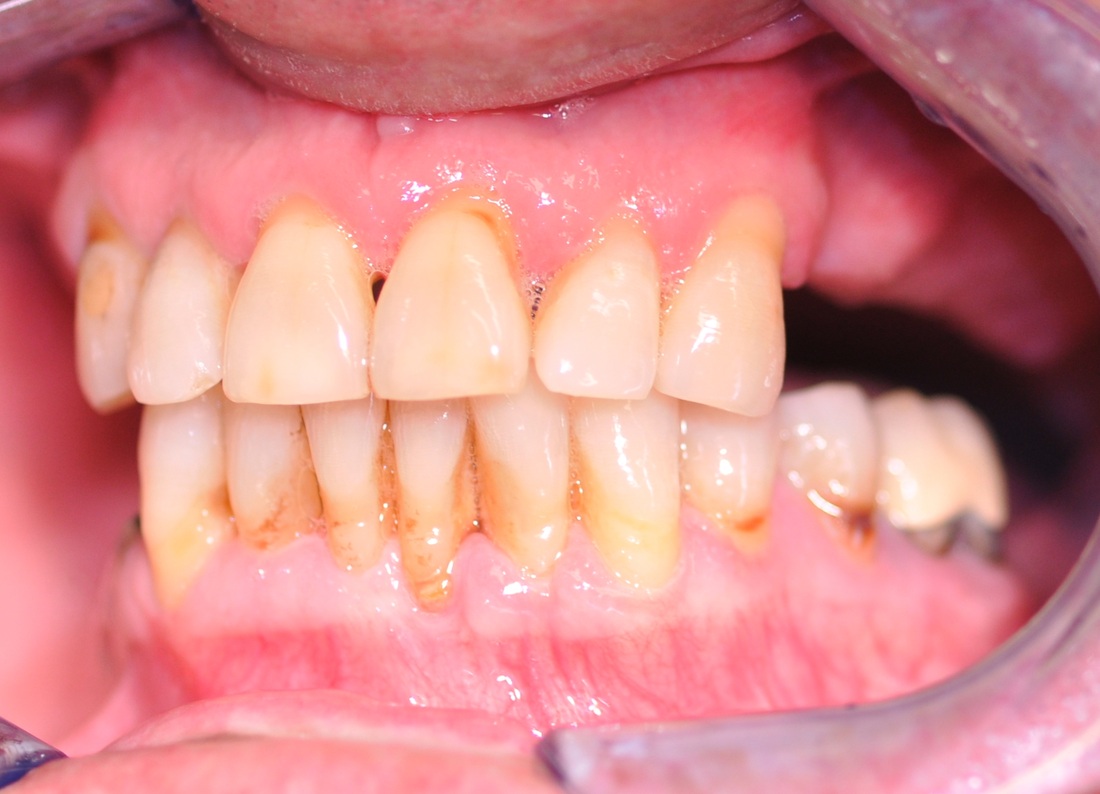
This 55-year-old patient had lost posterior teeth on both sides of the upper and lower jaws. The loss of posterior support had resulted in a collapsed bite, with moderate TMJ arthrosis also documented.
Treatment therefore required more than simply filling individual spaces. Implant position, posterior support, restorative design, bite reconstruction, and available bone all had to be considered together.
Treatment From Initial Condition to Implant Rehabilitation
Use the arrows to review clinical photographs and treatment images from this patient's rehabilitation.
Ready to Replace Several Missing or Failing Teeth?
Digital planning can determine the right implant number, bridge design, and whether treatment stages can be safely combined.
Replacement of failing lower back teeth
Immediate implant molar replacement involves placing a dental implant directly after tooth extraction in a single, minimally invasive procedure. This technique reduces healing time and preserves jawbone structure. It’s ideal for patients seeking swift treatment without extensive surgical intervention, enhancing overall dental care efficiency.
CAD/CAM dentistry uses digital technology for precise, efficient design and manufacturing of dental restorations, offering quicker turnaround and enhanced accuracy compared to conventional methods, which rely on manual impressions and techniques.