TMJ/TMD Dentist Serving Boston’s North Shore
TMJ Specialist in North Shore Boston
Relief from Jaw Pain, Headaches & Ear Symptoms—By Treating the Root Cause
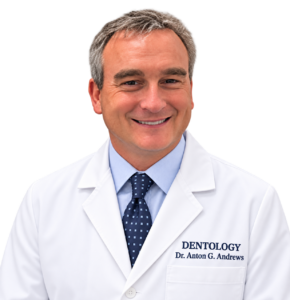
DENTOLOGY provides comprehensive TMJ/TMD evaluation and minimally invasive treatment for patients from Peabody, Saugus, Salem, Beverly and surrounding North Shore communities. At our Woburn location, Dr. Anton Andrews brings more than 20 years of experience in the field, including complex cases, degenerative joint conditions and persistent symptoms following previous TMJ treatments.
If you’ve tried treatments that didn’t work, you’re not alone—and there is a better approach.
Trusted by patients in Peabody, Middleton, Saugus, Salem Beverly
TMJ treatment at DENTOLOGY starts with proper diagnosis.
Dr. Andrews carefully evaluates how the jaw joints, chewing muscles, bite, and mandibular position work together to identify the underlying factors contributing to TMD symptoms.
Whenever possible, treatment follows a conservative, non-invasive, and completely reversible approach designed to improve jaw function and reduce stress on the TM joints. Unlike traditional irreversible occlusal adjustment, our approach does not rely on grinding down or permanently reshaping healthy teeth to change the bite.
Rather than simply masking pain, treatment is directed toward improving the underlying jaw and bite dysfunction while preserving the natural tooth structure and allowing the response to therapy to be carefully evaluated before any definitive treatment is considered.
Understanding the Temporomandibular Joints
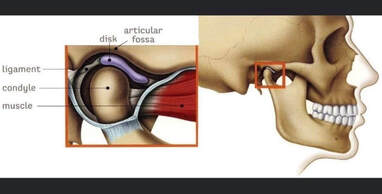
The temporomandibular joints (TMJs) connect the lower jaw to the skull and function differently from weight-bearing joints such as the hips and knees. Each TMJ is a synovial joint with upper and lower fluid-filled spaces separated by an articular disc.
The TMJs are also unique because the right and left joints must function together as part of the same lower jaw. Their coordinated movement affects how the jaw opens and closes, how the teeth meet, and how forces are distributed through the jaw joints and muscles.
At DENTOLOGY’s Woburn location, Dr. Anton Andrews evaluates patients from Peabody, Saugus, Salem, Beverly, Danvers and other North Shore communities who experience jaw pain, clicking, locking, headaches, bite changes or other possible TMJ/TMD symptoms.
I was incredibly pleased with the level of care I received here. I initially came seeking treatment for some severe TMJ or jaw pain that had been persistent and growing worse over the course of a year. The pain made it incredibly difficult to eat, talk, or just open/close my mouth normally. I was frequently hearing a lot clicking or crunching sounds whenever I moved my jaw where it almost felt like my upper and lower jaw were unnaturally rubbing against each other like sandpaper. But I’m happy to say that 7 months into my treatment journey so far, the vast majority of my initial pain and symptoms have already gone away completely. What is particularly noteworthy is that the treatment I received was relatively simple and non-invasive in nature. It involved mainly the application of some fillings in my back teeth, performing regular TENS therapy for 15 minutes each day, and then allowing time for my teeth to naturally shift on its own to better support my jaw position. The minimal, non-invasive nature of the treatment was definitely a great relief as fear of needing surgery or some more high-risk procedure was definitely a factor in why I put off seeking care for a long time. Despite the severity of my jaw damage, I was glad that the team here opted to try the non-invasive option first before rushing to perform more intensive procedures. I was also very pleased with how thorough and transparently my treatment was communicated to me throughout my care journey. During every check-up, Dr. Andrews would review my X-rays with me, give an update on how my jaw was doing, outline what next steps he wants to take, and explain the reasons why so that I was well-informed at each step. Overall, I’m truly happy and grateful for the care I’ve received here!
TMJ / TMD FAQs
TMJ treatment at Dentology starts with proper diagnosis. Dr. Andrews evaluates the way the jaw joints, muscles, bite, and mandibular position work together to identify the true cause of TMD. Rather than simply masking symptoms, treatment is designed to correct the underlying dysfunction and provide long-term relief.
What is TMJ or TMD?
Temporomandibular disorders, or TMD, refer to a group of conditions affecting the jaw joint, muscles, and surrounding structures. These conditions can cause pain, joint dysfunction, and limited jaw movement. TMD is not a single issue. It is a complex condition that may involve muscle imbalance, joint mechanics, inflammation, and other functional factors.
What causes TMJ or TMD?
TMD is multifactorial, meaning it usually has more than one cause. It may involve bite imbalance, muscle dysfunction, joint inflammation, arthritis, teeth grinding, poor tongue posture, or altered breathing patterns. Dr. Anton Andrews evaluates all of these contributing factors to identify the true source of dysfunction instead of assuming there is only one cause.
Does your bite cause TMJ?
The bite alone is not always the sole cause of TMJ, but it can be an important contributing factor in certain patients. Bite relationships can influence how forces are distributed through the jaw, muscles, and joints. Dr. Andrews carefully evaluates how your bite interacts with jaw position, muscle function, and joint loading to determine whether it is contributing to your condition.
How does jaw alignment affect TMJ?
Jaw alignment directly affects how forces are distributed within the temporomandibular joint. When the lower jaw is misaligned or positioned too far back, it can increase stress on the joint and surrounding muscles. This may lead to pain, clicking, limited movement, and other symptoms. At DENTOLOGY, correcting jaw position is a key part of treating the underlying cause of TMD.
Can missing back teeth or poor posterior support cause TMJ problems?
Yes. The back teeth play an important role in supporting the bite and distributing force evenly. When posterior support is lost or compromised, more pressure may be transferred to the jaw joint, especially during clenching or grinding. Dr. Andrews focuses on restoring proper support and stability so the joint is protected and the bite functions more evenly.
Why do clenching and grinding make TMJ worse?
Clenching and grinding create forces that can exceed normal physiologic limits. When the bite is unstable or the jaw is not functioning in a balanced position, these excessive forces may overload the jaw joints and muscles, causing pain, inflammation, and further dysfunction. Our treatment focuses on both reducing overload and correcting the underlying imbalance that allows damage to occur.
Can tongue posture and breathing affect TMJ?
Yes. Tongue posture and breathing patterns can influence craniofacial development, jaw position, and occlusal stability. Over time, these functional patterns may contribute to bite imbalance and joint stress. Dr. Andrews considers these factors as part of a comprehensive diagnosis to better understand the cause of each patient’s TMD.
How is TMJ properly diagnosed?
Proper diagnosis requires more than identifying symptoms. Dr. Andrews performs a comprehensive evaluation of jaw position, muscle function, bite relationships, joint loading, and mandibular movement. This detailed diagnostic approach helps identify the cause of dysfunction so treatment is based on what is actually driving the problem, not just on symptom management.
How is TMJ treated at DENTOLOGY?
Our TMJ treatment is designed to correct the underlying cause of dysfunction, not just relieve symptoms. Dr. Andrews may use a combination of restoring posterior bite support, mandibular repositioning, and neuromuscular treatment to reduce joint stress, improve function, and create a more stable foundation for long-term relief.
Is TMJ treatment at DENTOLOGY different from other practices?
Yes. Many practices focus on temporary symptom relief, palliative treatment palliative treatments such as Botox or trigger point injections . At DENTOLOGY, Dr. Andrews takes a diagnosis-driven approach that evaluates how the teeth, muscles, jaw position, and joints work together. He treats the cause of the problem rather than masking the symptoms, which can lead to more predictable and lasting results.
Can TMJ cause long-term damage if untreated?
Yes. Without proper diagnosis and treatment, TMJ disorders may progress over time and contribute to chronic pain, restricted movement, worsening bite issues, and joint degeneration. Early evaluation can help prevent the condition from becoming more complex and difficult to treat.
Is TMJ treatment permanent?
When the underlying cause is properly identified and addressed, TMJ treatment can provide long-lasting improvement. By restoring support, improving jaw alignment, and reducing joint overload, Dr. Andrews aims to create a more stable and functional result rather than relying on temporary symptom relief alone.
After two years of dedicated treatment and care from Dr. Andrews and the DENTOLOGY team, my symptoms have improved to the point where I experience little to no TMJ discomfort.
Beyond that, my overall dental health and confidence have significantly improved.
I’m incredibly grateful for the level of care I received and highly recommend Dentology.
TMJ, TMD and Headache Treatment for North Shore Patients
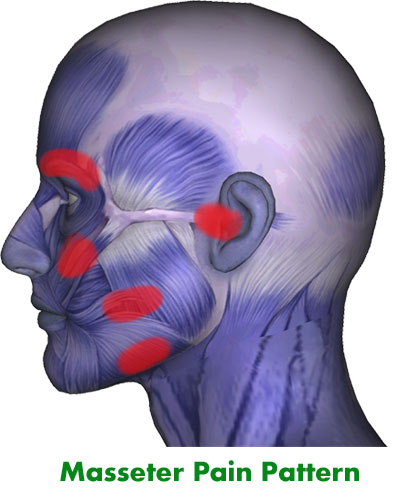
Many people living with chronic headaches, jaw pain, ear discomfort or facial tension may not realize that their symptoms can be associated with temporomandibular disorders (TMD), altered jaw function or an unstable bite.
The chewing muscles generate significant force during normal function. During intense clenching or grinding—particularly while sleeping—these forces can increase substantially, placing repeated stress on the teeth, muscles and temporomandibular joints. Over time, this excessive loading may contribute to tooth wear, fractures, muscle fatigue, jaw-joint irritation and worsening TMD symptoms.
Common TMJ/TMD Symptoms
-
Jaw pain, clicking, popping or locking
-
A bite that feels uneven or has changed
-
Frequent headaches or migraine-like symptoms
-
Ear pain, pressure, fullness or tinnitus
-
Morning jaw stiffness or muscle fatigue
-
Tooth sensitivity, fractures or visible wear
-
Facial, neck or shoulder tension
-
Difficulty chewing or opening the mouth
-
Dizziness or balance-related symptoms
These symptoms may develop gradually and can overlap with dental, neurological, muscular and ear-related conditions. Some patients spend years trying night guards, medications, physical therapy, Botox or other treatments without obtaining consistent, long-term relief.
At DENTOLOGY, Dr. Anton Andrews uses a comprehensive diagnostic approach to evaluate the jaw joints, chewing muscles, bite and mandibular position. With more than 20 years of experience in the field, Dr. Andrews treats complex TMJ/TMD cases using individualized, minimally invasive and reversible methods whenever appropriate.
DENTOLOGY provides TMJ/TMD and headache evaluation at its Woburn location for patients from Peabody, Saugus, Salem, Beverly, Danvers, Lynnfield, Wakefield, Reading and other North Shore communities.
Custom Dental Orthotic Therapy
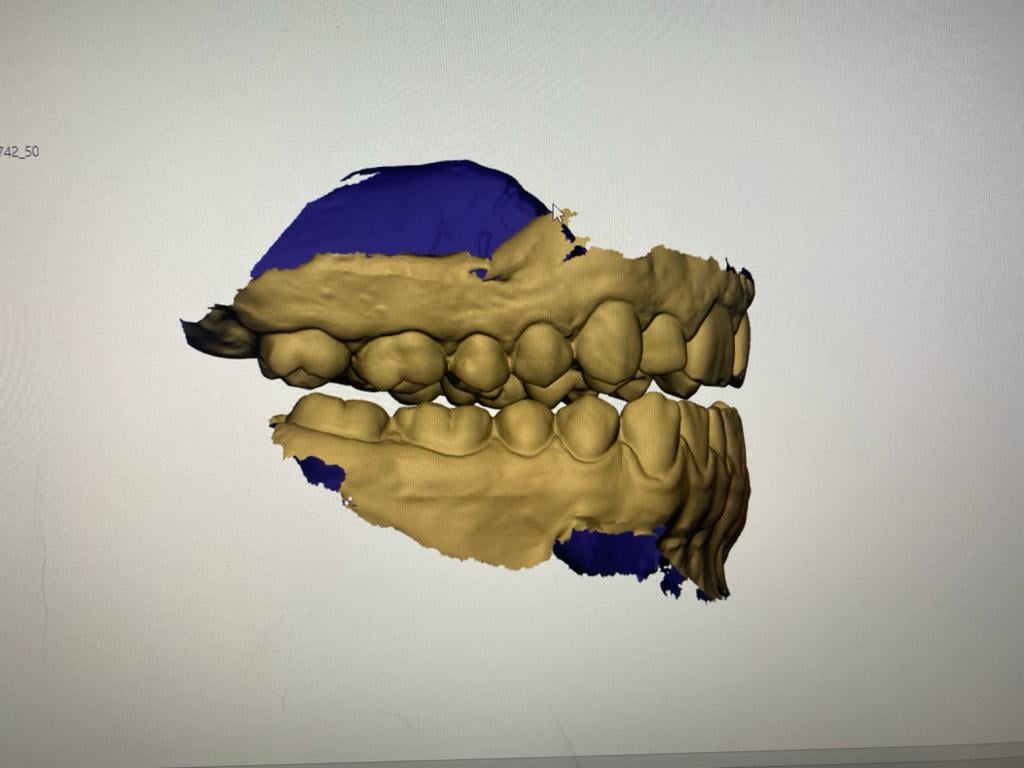
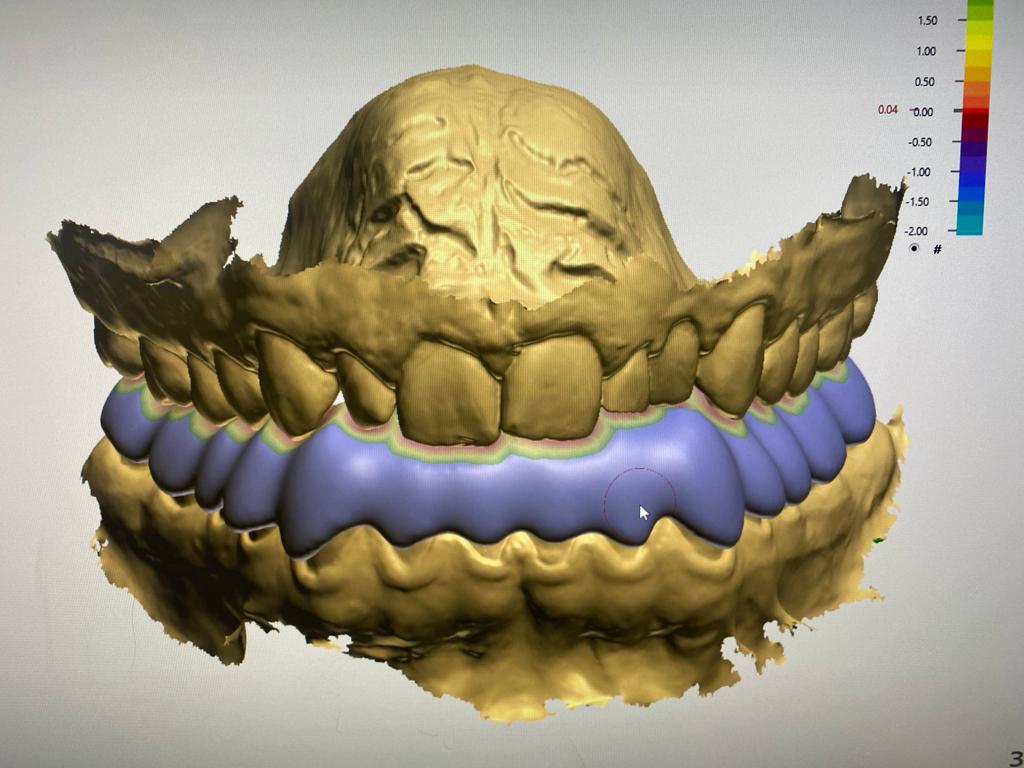
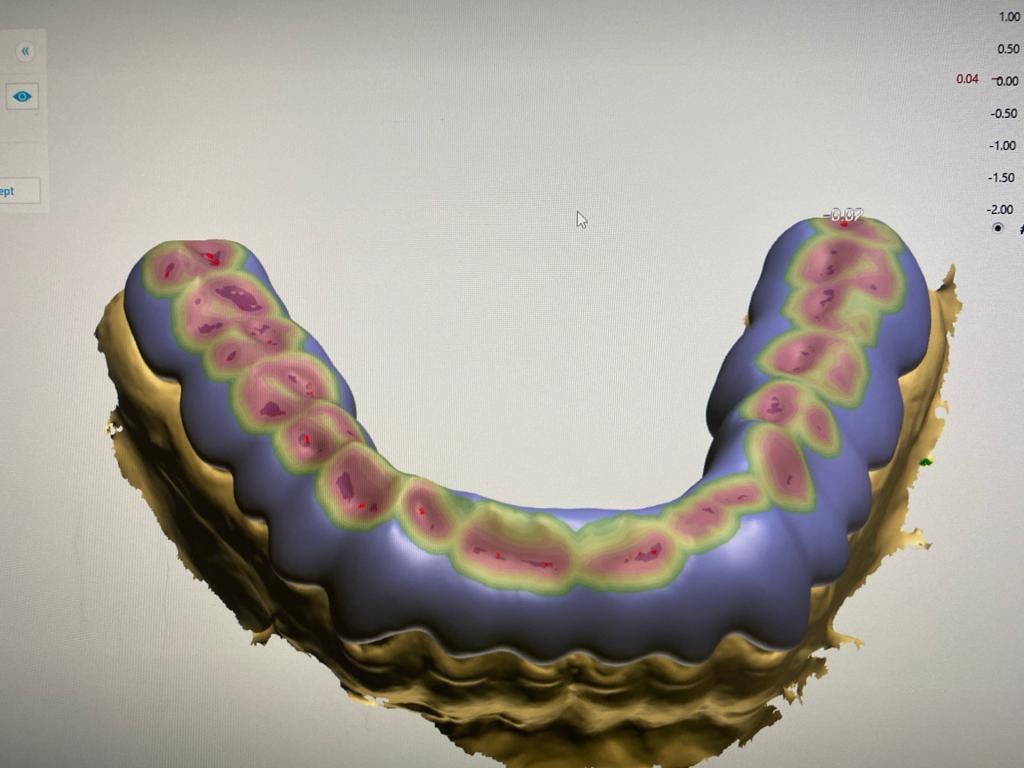
A dental orthotic is a custom intraoral appliance designed to position the lower jaw precisely according to the patient’s diagnostic data. The goal is to establish a comfortable physiological equilibrium among the bite, chewing muscles and temporomandibular joints.
The orthotic allows Dr. Anton Andrews to test the new jaw position while supporting pain relief, improved function and healing. This advanced neuromuscular treatment may be appropriate for patients whose previous night guards or other appliances failed to provide consistent, long-term relief.
DENTOLOGY provides customized TMJ orthotic therapy at its Woburn location for patients from Peabody, Saugus, Salem, Beverly and other North Shore communities.
Neuromuscular Therapy Using TENS
Neuromuscular therapy using Transcutaneous Electrical Nerve Stimulation (TENS) is a non-invasive approach used in the evaluation and treatment of temporomandibular disorders and tension-type headaches.
At DENTOLOGY, Dr. Anton Andrews uses TENS to gently relax overactive jaw and facial muscles. This may help reduce muscle tension, improve jaw movement and relieve associated symptoms such as jaw pain, headaches and ear discomfort—without invasive or uncomfortable injections.
TENS may also help identify a more comfortable and balanced jaw position based on the patient’s diagnostic findings. This technology-supported treatment is part of Dr. Andrews’ comprehensive approach to addressing jaw function and the underlying factors contributing to each patient’s TMD symptoms.
DENTOLOGY offers neuromuscular TMJ/TMD evaluation and treatment at its Woburn location for patients from Peabody, Saugus, Salem, Beverly and other North Shore communities.
TENS – Transcutaneous Electric Nerve Stimulation is the valuable diagnostic tool and another treatment option for TMD.
It is used for the following:
- To relax chewing and neck/upper shoulder muscles
- To establish a physiologic occlusion (bite)
- To treat TMJ dysfunction and associated pain
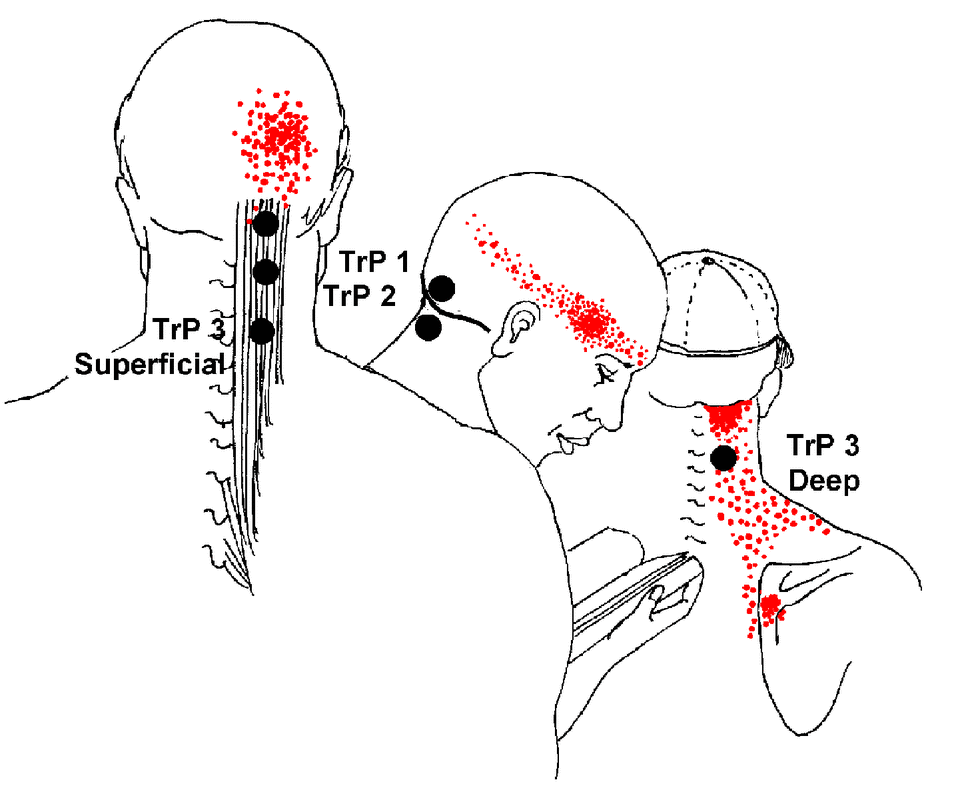
- To relieve symptoms associated with muscle spasm (trigger points)
- To increase local blood circulation
- To increase mandibular range of motion
Amber B.
I’m thrilled to share my fantastic experience with Dr. Anton Andrews. Over the past year, he successfully helped treat my TMJ, resolving my jaw pain and limited jaw mobility issues. His insightful suggestions and the custom mouth guard he provided played a crucial role in alleviating my discomfort. Dr. Andrews’ expertise and dedication truly made a positive impact on my well-being, I was really worried about my teeth and stress caused to it and happy to be in a much better state!
Ear Infections, Tinnitus and Ear Fullness
A retruded mandible—when the lower jaw sits farther back than its optimal position—may affect the structures and muscles surrounding the ears. Some patients with this jaw position experience ear fullness or pressure, a clogged-ear sensation, tinnitus, ear discomfort or recurring ear-related symptoms.
Mouth breathing, which may be associated with nasal obstruction or altered oral posture, can further affect muscle function around the jaw and face. Because ear symptoms can have many possible causes, persistent ear pain, infection, tinnitus or hearing changes should also be evaluated by a physician or ENT specialist.
At DENTOLOGY, Dr. Anton Andrews evaluates jaw position, bite, muscle function and TMJ health to determine whether a patient’s ear-related symptoms may be connected to TMD. Treatment directed at jaw function and breathing-related factors may help relieve symptoms when a TMJ connection is identified.
DENTOLOGY provides comprehensive TMJ/TMD evaluation at its Woburn location for patients from Peabody, Saugus, Salem, Beverly and other North Shore communities.