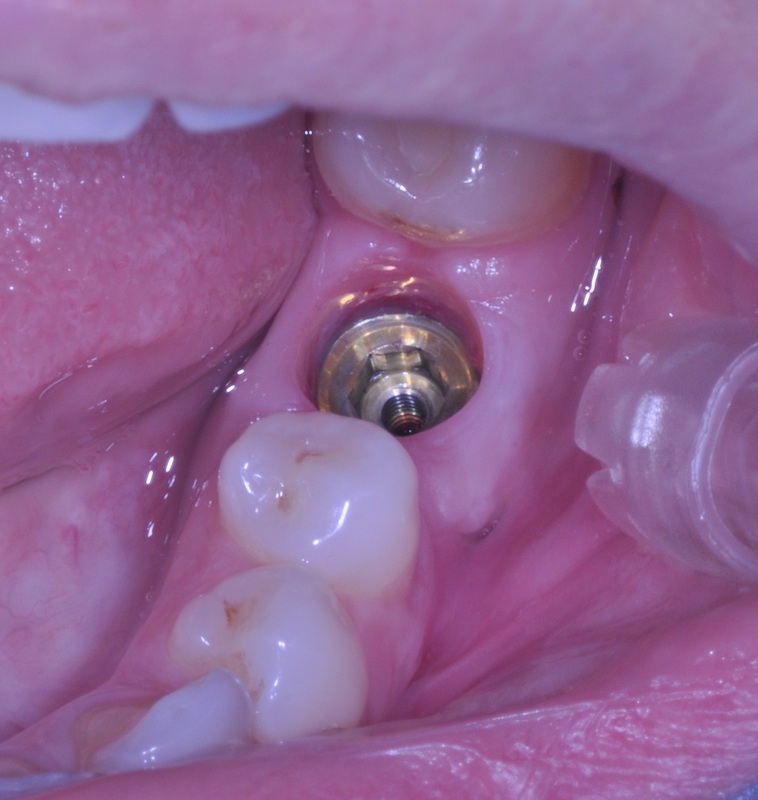
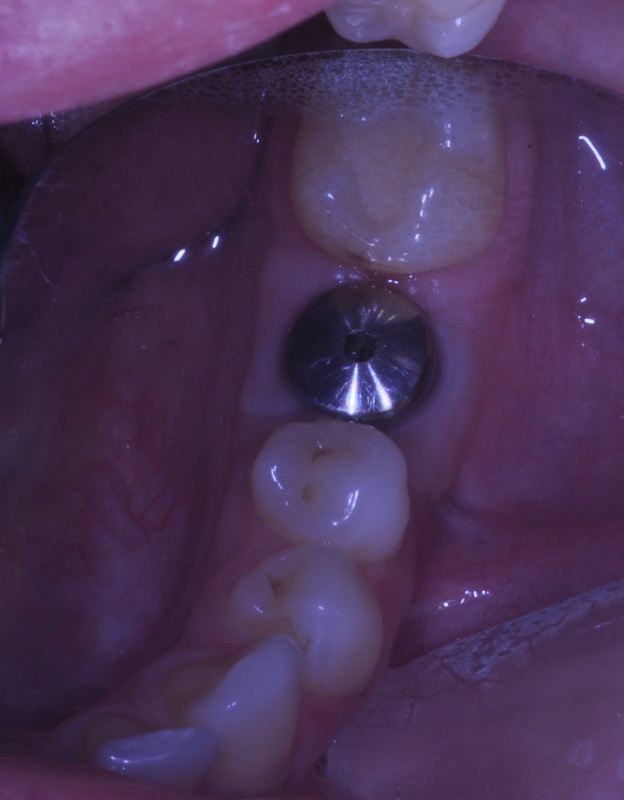
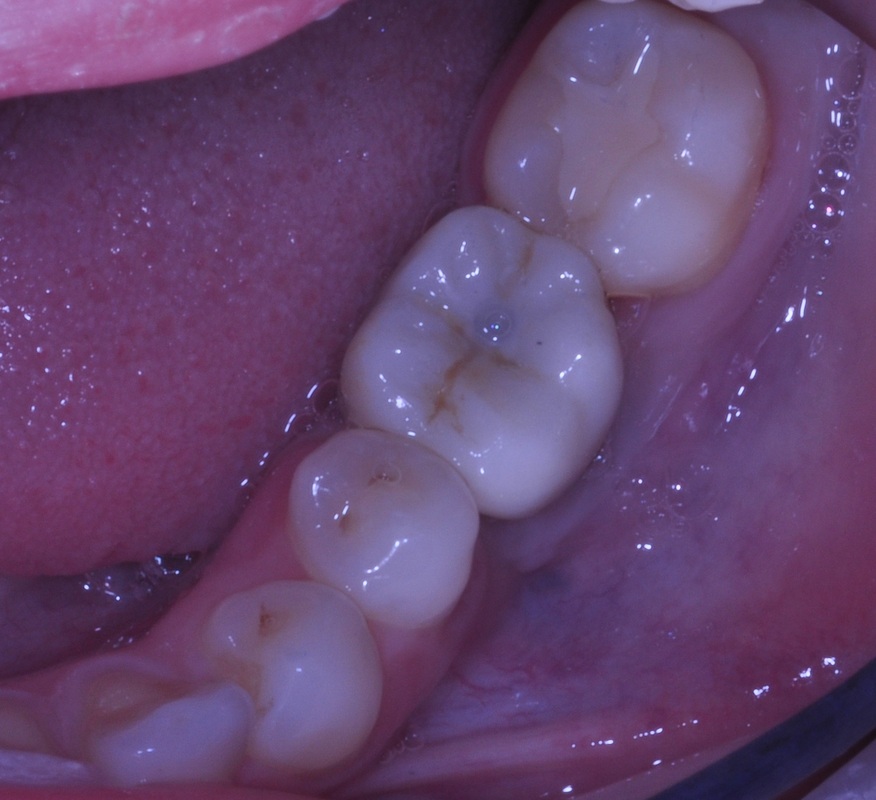
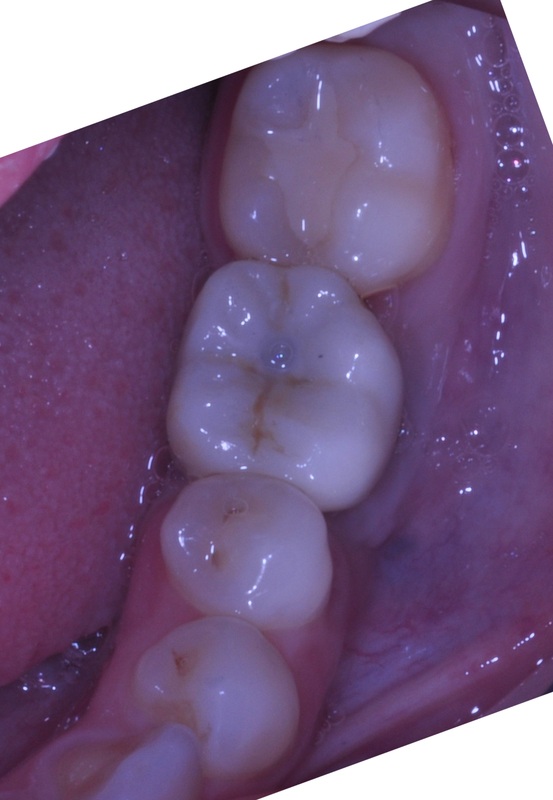
Replace a missing or failing tooth with a digitally planned dental implant designed to restore natural appearance and function. We plan the final ceramic restoration from the beginning.
DENTAL IMPLANT SPECIAL
$2,999
One dental implant + one prefabricated abutment + one all-ceramic crown
Offer details: The $2,999 special includes one dental implant, one prefabricated abutment, and one all-ceramic crown in eligible cases. CBCT and other diagnostic imaging, extractions, bone grafting, sinus lifts, temporary restorations, custom abutments, and additional procedures are not included. Excludes ceramic implants, upper front teeth (#6–11), and second molars (#2, #15, #18, #31). Eligibility is determined after clinical evaluation. Offer may change without notice.
INCISORS & CANINES
Front-Tooth Dental Implants in Boston
Replacing a front tooth requires careful coordination of surgery,
esthetics, and function. Implant position, available bone, gum
contours, tooth shape, shade, translucency, bite, and the patient’s
smile are considered together before treatment begins.
01
Thin Facial Bone
The bone covering the front surface of an upper incisor root can be
extremely thin. Preserving this bone is important because it helps
support the gum contour around the future implant crown.
02
Precise Implant Position
Front teeth often have an angled relationship between the visible
crown and the natural root. Implant position therefore has to be
planned around both the available bone and the intended position of
the final ceramic tooth.
03
Gum Architecture
The height and shape of the gum around a front tooth strongly affect
how natural the final result appears. Preserving the tissues from the
beginning can be especially important in patients with a visible
smile line.
04
Smile & Function
The final restoration must reproduce tooth shape, surface texture,
shade, translucency, and proportions while also fitting comfortably
within the patient’s bite.
WHEN CLINICALLY APPROPRIATE
Immediate Implant Placement
When the anatomy and condition of the extraction site allow it,
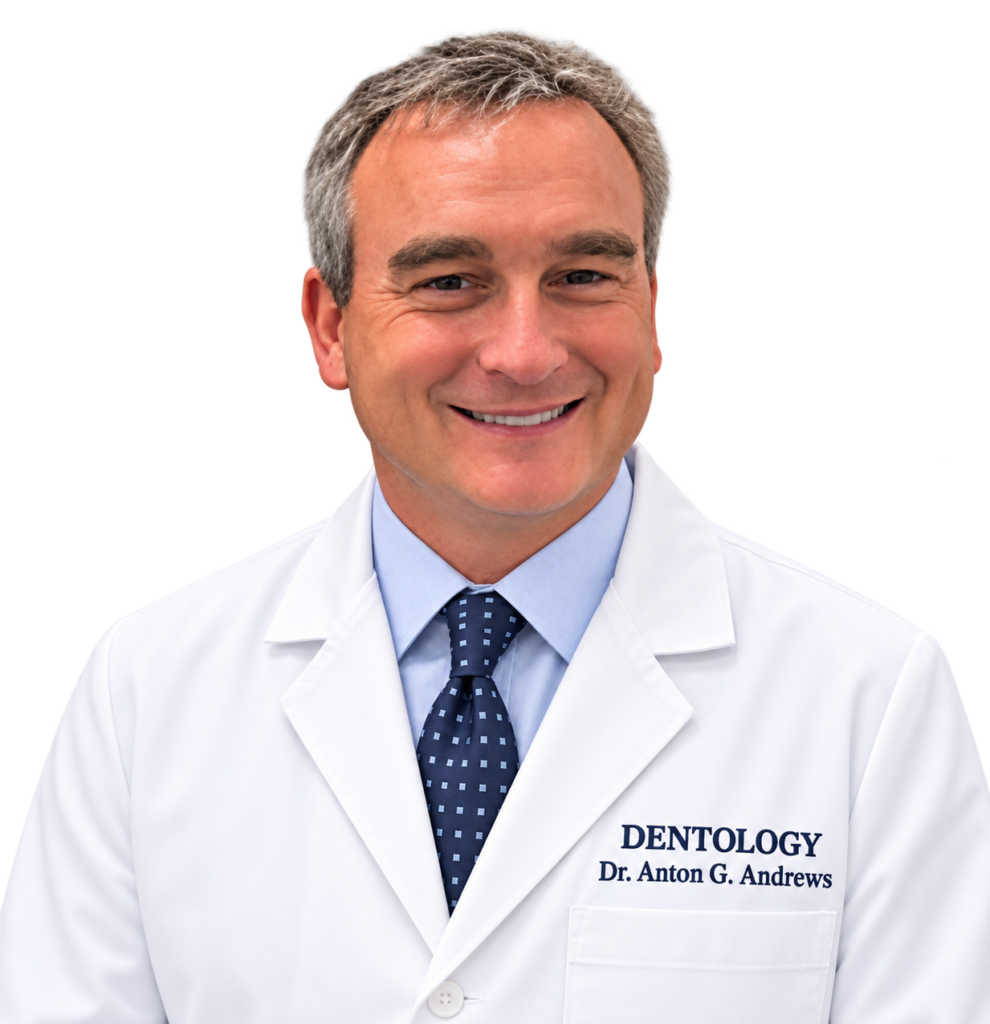
Dr. Andrews may remove the damaged tooth and place the dental implant
during the same visit rather than waiting several months before a
second implant surgery.
Combining extraction and implant placement can shorten the overall
treatment process and reduce the number of separate surgical
procedures. For the patient, that can mean fewer surgical
appointments, fewer recovery periods, and less time spent moving
through repeated phases of treatment and healing.
Immediate placement is not appropriate for every site. The decision
depends on available bone, the condition of the socket, infection,
implant stability, gum anatomy, and the planned final restoration.
One Coordinated Visit
Tooth removal and implant placement may be combined when the
clinical conditions are favorable.
Fewer Surgeries
Combining treatment stages can eliminate the need for a separate
implant-placement surgery months later.
Shorter Treatment
The implant can begin healing immediately after the tooth is
removed instead of waiting for the extraction site to heal first.
Fewer Recovery Periods
Fewer separate surgical visits can mean fewer occasions involving
anesthesia, post-operative swelling, and recovery.
ADVANCED TISSUE PRESERVATION
Preserving Bone & Gum Around a Front-Tooth Implant
In selected cases, Dr. Andrews may combine immediate implant
placement with specialized techniques intended to preserve the thin
facial bone and soft-tissue contours that help determine the final
appearance of a front tooth.
PARTIAL EXTRACTION THERAPY
Preserve Part of the Natural Root
With Partial Extraction Therapy, sometimes called the
socket-shield technique, a carefully prepared thin portion of the
natural root is intentionally retained on the facial side of the
socket.
That small root segment keeps its attachment to the surrounding
tissues and may help preserve the thin bone and gum contour that
would otherwise tend to shrink after the tooth is removed.
Goal:
Help maintain the natural ridge and gum contour around the future
implant crown.
PERIOSTEAL INHIBITION
Protect the Outside of the Facial Bone
Some post-extraction bone remodeling occurs along the outside
surface of the socket. In selected cases, Dr. Andrews may place a
thin protective barrier along the outer surface of the facial bone.
The technique is designed to reduce this external bone-remodeling
process during healing and help maintain the width and contour of
the ridge supporting the implant restoration.
Goal:
Preserve more of the existing facial ridge rather than rebuilding
it later after it has resorbed.
+
PRESERVE FIRST
A Different Approach to Front-Tooth Implant Treatment
The objective is to preserve as much of the patient’s existing
anatomy as possible while replacing the failing tooth. Depending on
the individual case, immediate implant placement may be combined
with Partial Extraction Therapy, periosteal inhibition, bone
grafting, or other tissue-management techniques.
By planning these steps together, treatment may require fewer
separate surgical procedures while maintaining the bone and gum
architecture needed for a natural-looking final restoration.
FRONT-TOOTH IMPLANT CONSULTATION
Find Out Which Approach Is Appropriate for Your Tooth
A clinical examination and 3D evaluation are used to determine
whether immediate implant placement or tissue-preserving techniques
are appropriate for your individual anatomy.
The following case demonstrates treatment of a broken upper front
tooth using immediate implant placement and coordinated management
of the surrounding bone, soft tissue, and final ceramic restoration.
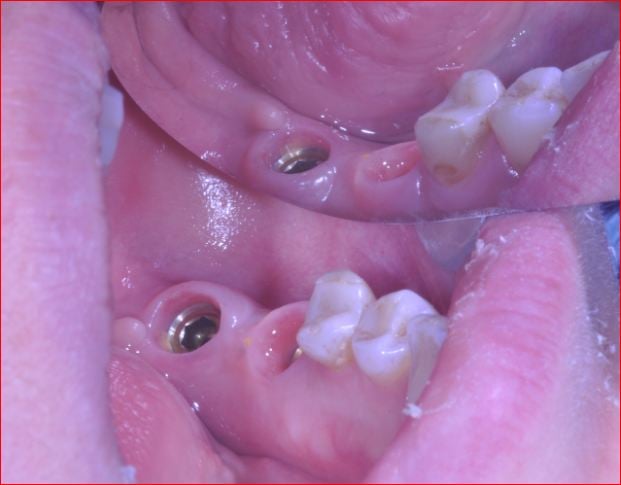
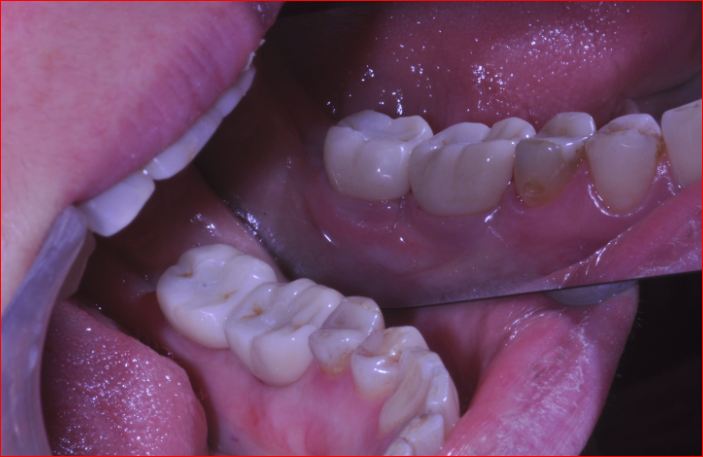
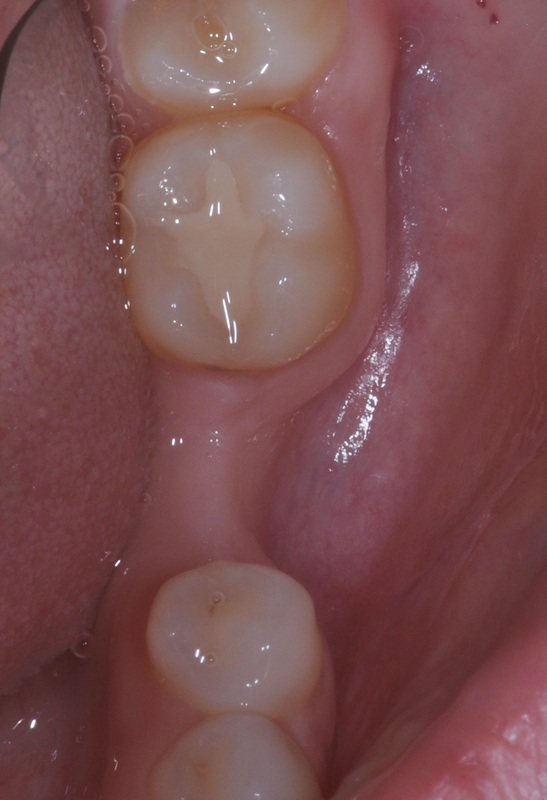
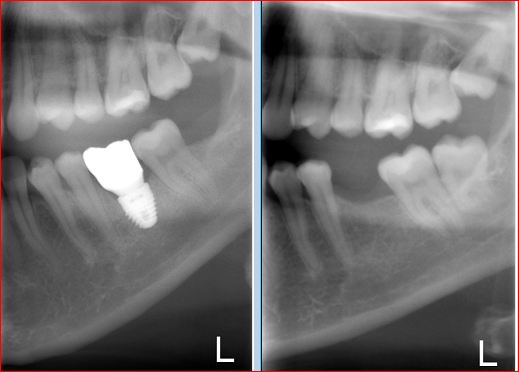
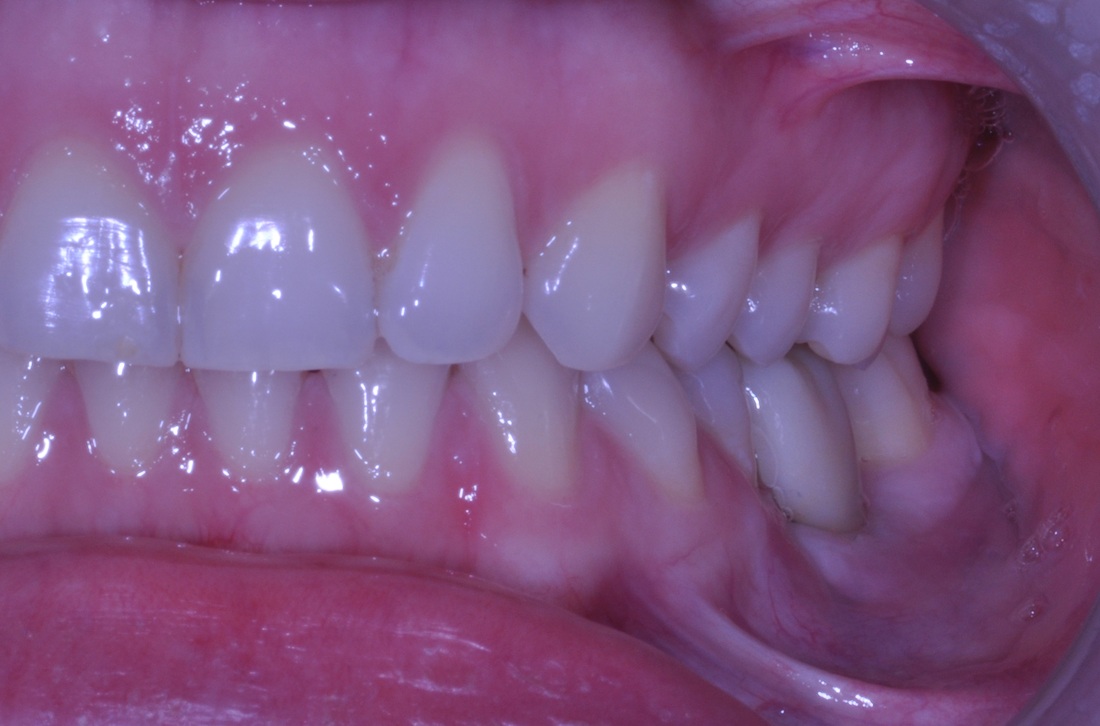
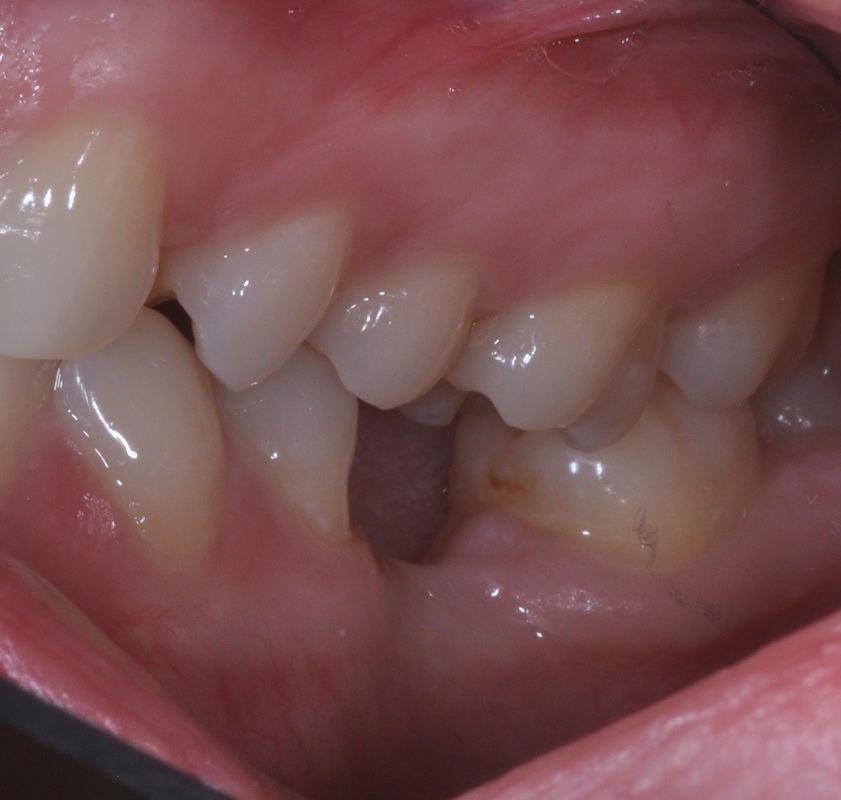
Replacing a missing molar or premolar with a dental implant begins
with evaluating the tooth, surrounding bone, neighboring teeth, and
the final restoration. Whenever possible, implant treatment should be
considered before a compromised tooth is removed.
01
Plan Before Extraction
Natural tooth roots help maintain the width of the surrounding
bone. After extraction, significant bone-volume loss can occur,
particularly in the horizontal dimension.
Planning ahead may help preserve more treatment options for future
implant placement.
02
Evaluate Available Bone
Adequate bone is required to support a dental implant. When the
ridge is too narrow or deficient, bone grafting may be required
before or at the time of implant placement.
Nearby teeth and supporting tissues should also be healthy before
treatment proceeds.
03
Implant Treatment Timeline
Under favorable conditions, complete implant treatment including
the final crown may take approximately five months in the lower jaw
and six months in the upper jaw.
Treatment may take substantially longer when additional bone
reconstruction or staged procedures are necessary.
COORDINATED IMPLANT TREATMENT
Combining Procedures When Clinically Appropriate
In many implant cases, Dr. Andrews is able to coordinate tooth
extraction, bone grafting when necessary, and implant placement
during the same surgical visit. Whether this is appropriate
depends on the condition of the tooth, available bone, infection
status, anatomy, and the individual treatment plan.
Dr. Andrews provides single-tooth implant treatment for patients in Boston and Woburn, combining digital planning, precise implant placement, and restorative dentistry to replace missing or failing teeth.
Each case is planned around the final ceramic crown, with careful attention to the surrounding bone and gum tissue, natural appearance, chewing function, and bite.
From front teeth in the smile zone to molar replacement, Dr. Andrews coordinates the surgical and restorative stages according to each patient’s clinical needs.
Many DENTOLOGY patients have remained with Dr. Andrews for years—
and in some cases for decades—returning for implant care, maintenance,
and comprehensive dentistry.
★★★★★
Patient for about 21 years
“Over the years, I’ve also had several dental implants placed,
and everything is still in great condition after decades of service.”
Maria T.
★★★★★
Patients for over 10 years
“My husband and I have been patients of Dr. Anton Andrews for over
10 years, and we couldn’t be happier with our experience.”
Bronislava A.
★★★★★
Long-term patient
“I have been a patient of Dr. Andrews for many years.”
His treatment included dental implants and extensive restorative care.
Longen K.
★★★★★
Implant functioning well after 2 years
“The implant looks great and I have not had any problems with it —
it’s been 2 years now.”
Katya T.
★★★★★
Two molar implants in one session
“Two molar implants done in one session.”
He described the long procedure positively, emphasizing the team’s
knowledge, skill, and attentive care throughout treatment.
Larry N.
★★★★★
Continued post-implant care
“I continue to get my teeth cleaning and post implant care there
because they take great care of me.”
Tell us how to reach you. We’ll save your inquiry as you continue.
Final review · Consultation inquiry
Review your consultation
Consultation
Preferred office
Consultation Fee$275
The $275 consultation fee will be applied toward your implant treatment if you proceed with treatment.
The $275 New Patient Consultation includes a comprehensive dental examination, necessary diagnostic X-rays, and a review of findings and treatment recommendations. Cleaning is not included; it is determined and performed or scheduled separately based on clinical and periodontal needs.
If your dental insurance plan includes out-of-network benefits, DENTOLOGY will submit the applicable consultation services to your insurance carrier. Any reimbursement is determined by your individual plan and the carrier's policies.
No payment has been collected. The DENTOLOGY front desk can now follow up with you about scheduling the consultation.
Payment verified
Thank you for choosing DENTOLOGY and Dr. Anton Andrews
We appreciate the opportunity to help you. Your consultation payment has been confirmed, and our team will be glad to assist you with the concerns you shared.
Chat
Thank you for contacting DENTOLOGY. My name is NEO. How can I help you today?