
TMJ/TMD Treatment in Boston | Jaw Pain, Headaches & Bite Correction
TMJ Treatment in Boston
Relief from Jaw Pain, Headaches & Ear Symptoms—By Treating the Root Cause
Patients in Boston, Back Bay, Seaport, and surrounding areas often struggle with jaw pain, headaches, and TMJ symptoms for years without clear answers. At DENTOLOGY, Dr. Andrews uses advanced jaw function analysis and treatment to identify and correct the underlying cause—not just manage symptoms.
If you’ve tried treatments that didn’t work, you’re not alone—and there is a better approach.
Trusted by patients in Boston and Greater Boston
TMJ treatment at DENTOLOGY starts with proper diagnosis.
Dr. Andrews evaluates the way the jaw joints, muscles, bite, and mandibular position work together to identify the true cause of TMD. Rather than simply masking symptoms, treatment is designed to correct the underlying dysfunction and provide long-term relief.
Dr. Anton Andrews and his team were exceptional throughout my TMJ/TMD treatment. From the beginning, they were incredibly accommodating and took the time to truly listen to every concern I had, including my jaw pain and ear pain.
Dr. Andrews performed a thorough evaluation, carefully reviewed the findings, and clearly explained my treatment options. Using advanced technology along with his clinical expertise, he was able to identify the underlying issue and create a personalized treatment plan.
Over the course of several months, he provided two custom devices and thoughtfully adjusted my care as my condition improved. Thanks to Dr. Andrews, my symptoms have improved tremendously. I am now able to eat normally again and no longer have jaw or ear pain.
I am incredibly grateful for the outstanding care, attention, and expertise I received at Dentology.
TMJ / TMD FAQs
TMJ treatment at Dentology starts with proper diagnosis. Dr. Andrews evaluates the way the jaw joints, muscles, bite, and mandibular position work together to identify the true cause of TMD. Rather than simply masking symptoms, treatment is designed to correct the underlying dysfunction and provide long-term relief.
What is TMJ or TMD?
Temporomandibular disorders, or TMD, refer to a group of conditions affecting the jaw joint, muscles, and surrounding structures. These conditions can cause pain, joint dysfunction, and limited jaw movement. TMD is not a single issue. It is a complex condition that may involve muscle imbalance, joint mechanics, inflammation, and other functional factors.
What causes TMJ or TMD?
TMD is multifactorial, meaning it usually has more than one cause. It may involve bite imbalance, muscle dysfunction, joint inflammation, arthritis, teeth grinding, poor tongue posture, or altered breathing patterns. Dr. Anton Andrews evaluates all of these contributing factors to identify the true source of dysfunction instead of assuming there is only one cause.
Does your bite cause TMJ?
The bite alone is not always the sole cause of TMJ, but it can be an important contributing factor in certain patients. Bite relationships can influence how forces are distributed through the jaw, muscles, and joints. Dr. Andrews carefully evaluates how your bite interacts with jaw position, muscle function, and joint loading to determine whether it is contributing to your condition.
How does jaw alignment affect TMJ?
Jaw alignment directly affects how forces are distributed within the temporomandibular joint. When the lower jaw is misaligned or positioned too far back, it can increase stress on the joint and surrounding muscles. This may lead to pain, clicking, limited movement, and other symptoms. At DENTOLOGY, correcting jaw position is a key part of treating the underlying cause of TMD.
Can missing back teeth or poor posterior support cause TMJ problems?
Yes. The back teeth play an important role in supporting the bite and distributing force evenly. When posterior support is lost or compromised, more pressure may be transferred to the jaw joint, especially during clenching or grinding. Dr. Andrews focuses on restoring proper support and stability so the joint is protected and the bite functions more evenly.
Why do clenching and grinding make TMJ worse?
Clenching and grinding create forces that can exceed normal physiologic limits. When the bite is unstable or the jaw is not functioning in a balanced position, these excessive forces may overload the jaw joints and muscles, causing pain, inflammation, and further dysfunction. Our treatment focuses on both reducing overload and correcting the underlying imbalance that allows damage to occur.
Can tongue posture and breathing affect TMJ?
Yes. Tongue posture and breathing patterns can influence craniofacial development, jaw position, and occlusal stability. Over time, these functional patterns may contribute to bite imbalance and joint stress. Dr. Andrews considers these factors as part of a comprehensive diagnosis to better understand the cause of each patient’s TMD.
How is TMJ properly diagnosed?
Proper diagnosis requires more than identifying symptoms. Dr. Andrews performs a comprehensive evaluation of jaw position, muscle function, bite relationships, joint loading, and mandibular movement. This detailed diagnostic approach helps identify the cause of dysfunction so treatment is based on what is actually driving the problem, not just on symptom management.
How is TMJ treated at DENTOLOGY?
Our TMJ treatment is designed to correct the underlying cause of dysfunction, not just relieve symptoms. Dr. Andrews may use a combination of restoring posterior bite support, mandibular repositioning, and neuromuscular treatment to reduce joint stress, improve function, and create a more stable foundation for long-term relief.
Is TMJ treatment at DENTOLOGY different from other practices?
Yes. Many practices focus on temporary symptom relief, palliative treatment palliative treatments such as Botox or trigger point injections . At DENTOLOGY, Dr. Andrews takes a diagnosis-driven approach that evaluates how the teeth, muscles, jaw position, and joints work together. He treats the cause of the problem rather than masking the symptoms, which can lead to more predictable and lasting results.
Can TMJ cause long-term damage if untreated?
Yes. Without proper diagnosis and treatment, TMJ disorders may progress over time and contribute to chronic pain, restricted movement, worsening bite issues, and joint degeneration. Early evaluation can help prevent the condition from becoming more complex and difficult to treat.
Is TMJ treatment permanent?
When the underlying cause is properly identified and addressed, TMJ treatment can provide long-lasting improvement. By restoring support, improving jaw alignment, and reducing joint overload, Dr. Andrews aims to create a more stable and functional result rather than relying on temporary symptom relief alone.
After two years of dedicated treatment and care from Dr. Andrews and the DENTOLOGY team, my symptoms have improved to the point where I experience little to no TMJ discomfort.
Beyond that, my overall dental health and confidence have significantly improved.
I’m incredibly grateful for the level of care I received and highly recommend Dentology.
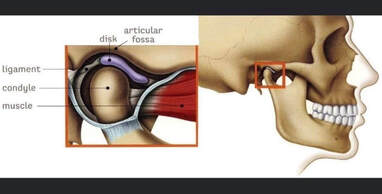
The temporomandibular joints (TMJ) are not designed to bear weight, unlike joints such as the hip or knee. This is one reason why joint problems in the TMJ are common. The TMJ is a type of synovial joint, which means it has two spaces filled with fluid—an upper and a lower space, separated by a disc.
Additionally, the TMJ is unique because it connects the lower jaw (mandible) to the skull, and the two sides of the mandible need to work together perfectly to allow the teeth to align properly when the mouth closes. This is unlike other joints, where bones meet but don’t have to work in sync with a set of teeth.
TMJ, TMD & Headache Treatment
Many patients suffering from chronic headaches, ear pain, or jaw discomfort are unaware that the underlying cause may be related to temporomandibular disorders (TMD) and jaw dysfunction.
Under normal conditions, the muscles used for chewing generate approximately 30–50 pounds of pressure per square inch. However, during clenching or grinding—especially at night—these forces can increase dramatically to as much as 1,000 pounds per square inch, placing excessive stress on the teeth, muscles, and jaw joints.
Over time, this can lead to tooth wear, fractures, muscle fatigue, and dysfunction of the temporomandibular joint (TMJ).
Common Symptoms
- Jaw pain, clicking, or a feeling that your bite is “off”
- Headaches or migraines
- Ear pain, pressure, or ringing
- Morning jaw stiffness or muscle fatigue
- Tooth sensitivity or visible wear
- Facial, neck, or shoulder tension
These symptoms often develop gradually and are frequently misdiagnosed, leaving patients searching for answers for years.
Research suggests that up to 70% of chronic headaches and migraines may be associated with clenching, grinding, and underlying TMD.
At DENTOLOGY, we go beyond symptom relief by identifying the underlying cause of TMD—allowing for more precise, long-term results.
Dental Orthotic is an intraoral appliance that precisely places the lower jaw into the specific position, according to the diagnostic data, where the chewing muscles and TMJs are in a comfortable physiological equilibrium. The orthotic helps to test this new bite, provides pain relief and healing. Orthotic Therapy is the advanced Neuromuscular Treatment, utilized when other appliances had failed to provide consistent, profound relief over a long period of time.
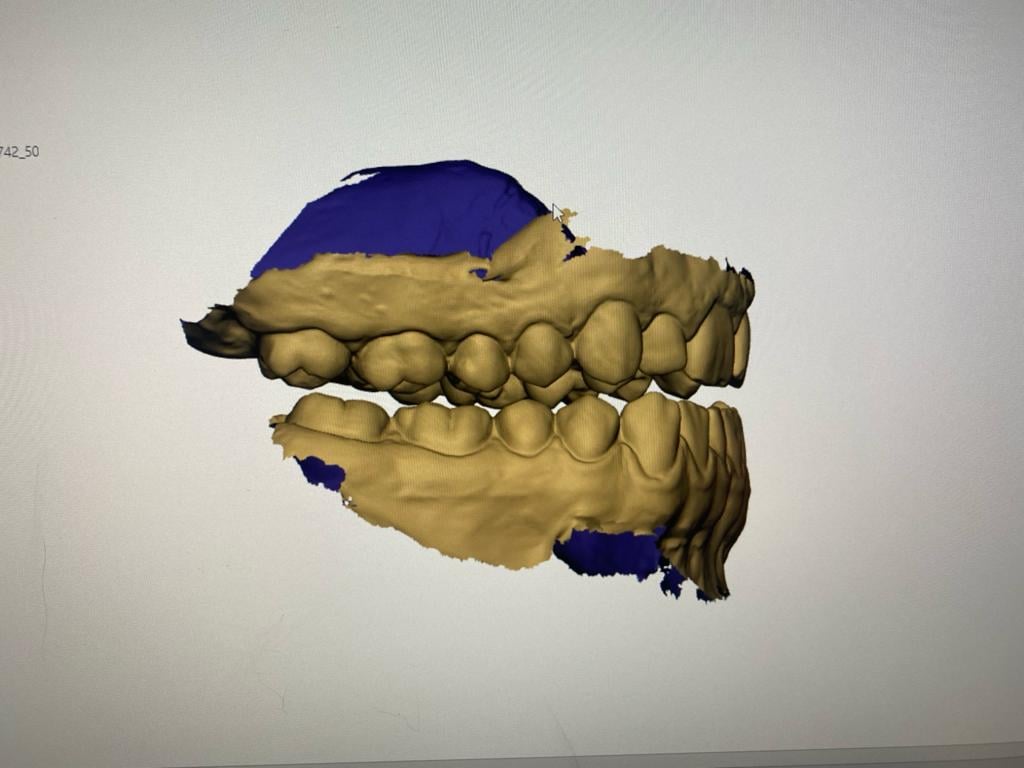
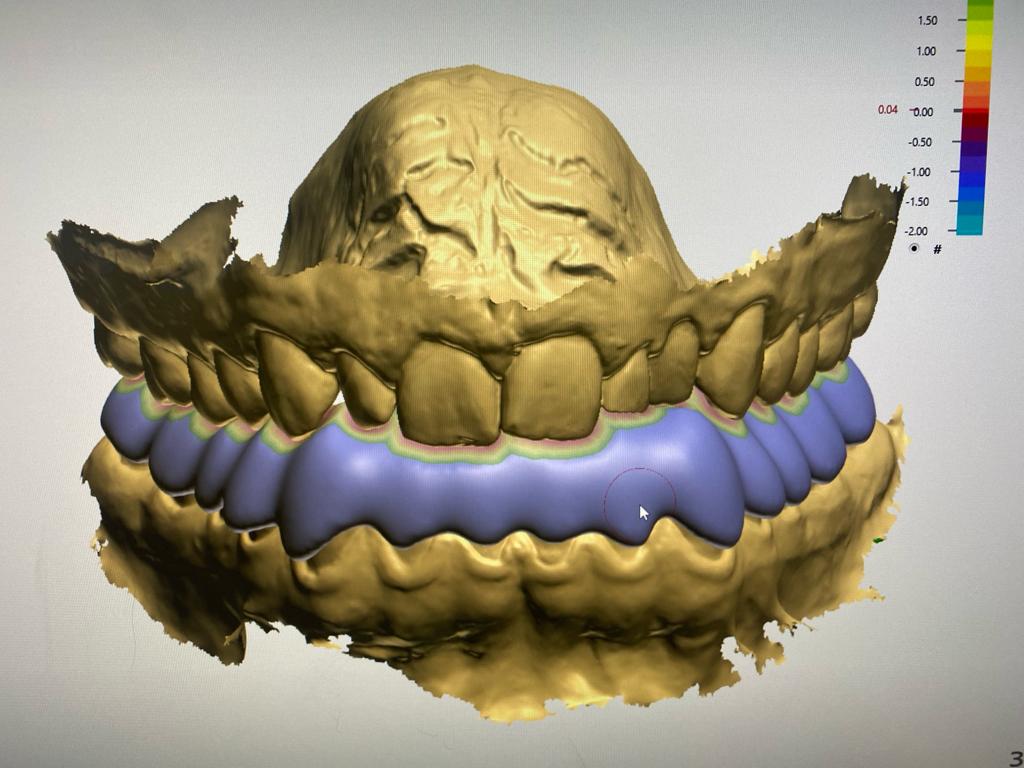
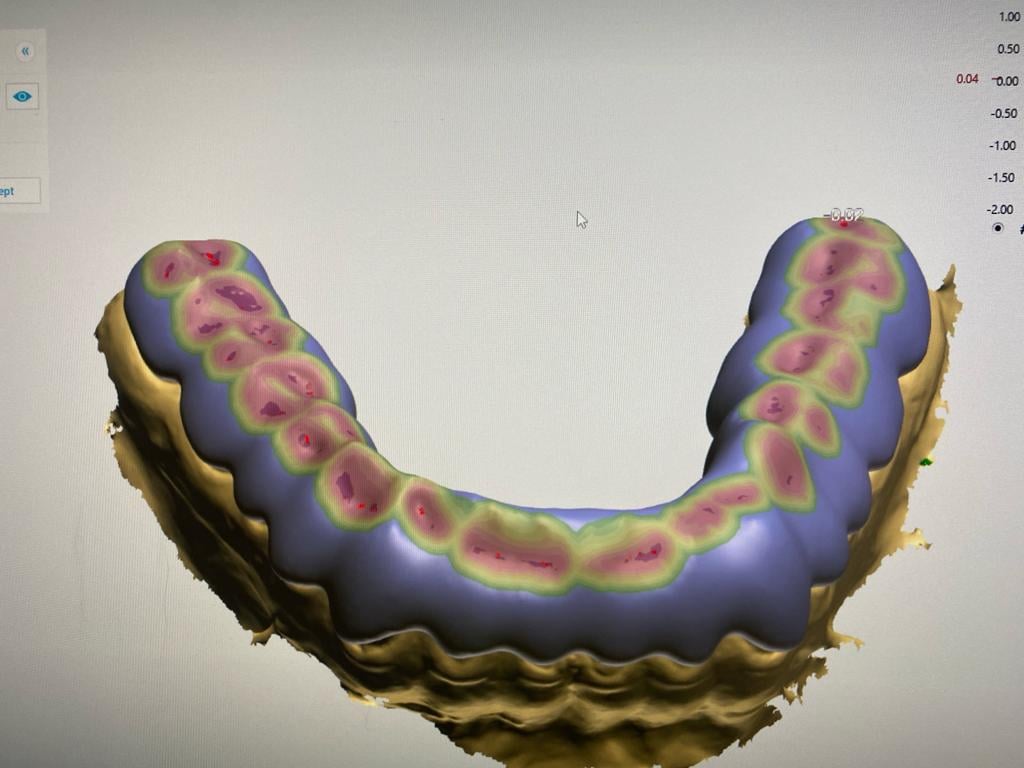
Neuromuscular therapy using TENS is a highly effective, non-invasive approach for treating temporomandibular disorders (TMD) and tension-type headaches. At DENTOLOGY, Dr. Andrews utilizes advanced Transcutaneous Electrical Nerve Stimulation (TENS) to gently relax overactive jaw and facial muscles, allowing the jaw to return to a more natural, balanced position.
By reducing muscle tension and improving neuromuscular function, this approach helps relieve pain, restore proper jaw movement, and decrease referred symptoms such as headaches and ear discomfort—without the need for invasive or uncomfortable injections.
This technology-driven, patient-centered method is part of Dr. Andrews’ comprehensive approach to diagnosing and treating the underlying cause of TMD, rather than simply managing symptoms.
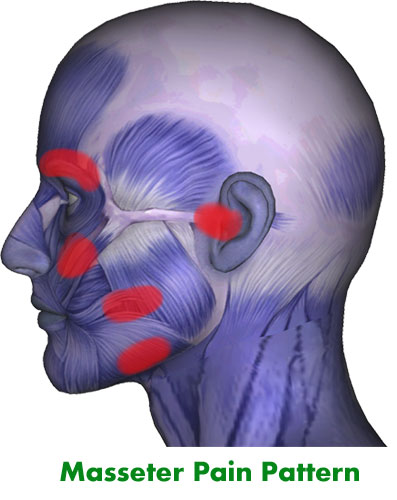
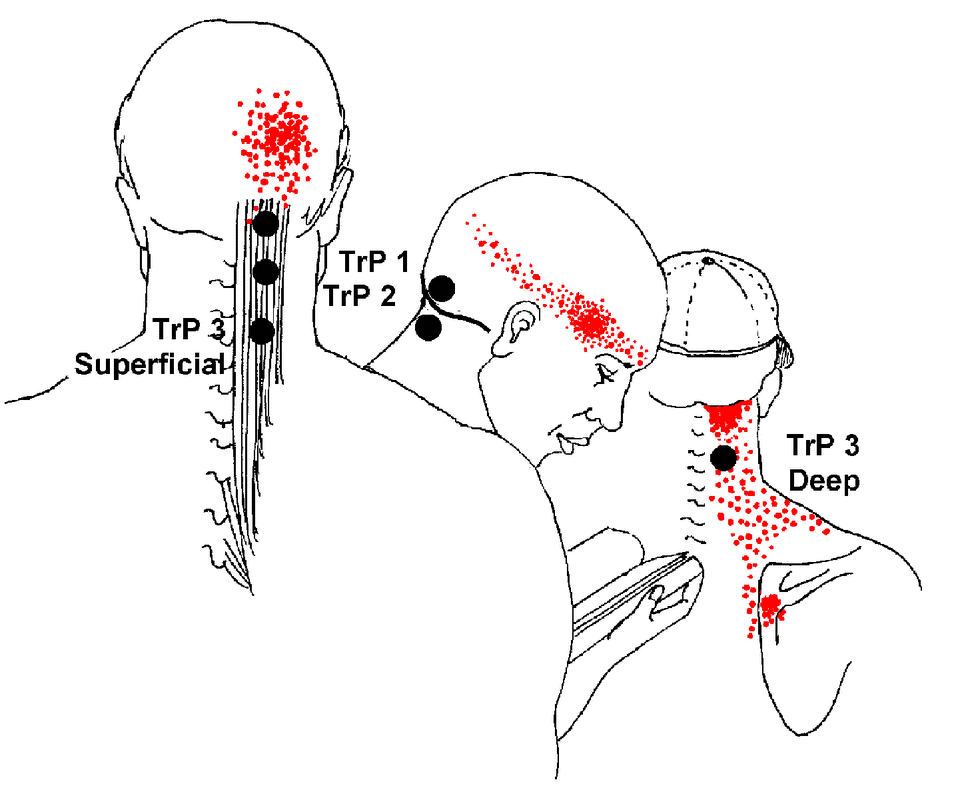
TENS – Transcutaneous Electric Nerve Stimulation is the valuable diagnostic tool and another treatment option for TMD.
It is used for the following:
- To relax chewing and neck/upper shoulder muscles
- To establish a physiologic occlusion (bite)
- To treat TMJ dysfunction and associated pain
- To relieve symptoms associated with muscle spasm (trigger points)
- To increase local blood circulation
- To increase mandibular range of motion
Amber B.
I’m thrilled to share my fantastic experience with Dr. Anton Andrews. Over the past year, he successfully helped treat my TMJ, resolving my jaw pain and limited jaw mobility issues. His insightful suggestions and the custom mouth guard he provided played a crucial role in alleviating my discomfort. Dr. Andrews’ expertise and dedication truly made a positive impact on my well-being, I was really worried about my teeth and stress caused to it and happy to be in a much better state!
Ear Infections, Tinnitus, and Ear Fullness. Retruded mandible — when the lower jaw sits further back than normal — can affect ear health. This jaw position can put pressure on the ear and the eustachian tube, leading to ear infections, a feeling of fullness or stiffness, and sometimes ringing (tinnitus).
Mouth breathing, often caused by nasal blockage or poor posture, can worsen these issues by increasing muscle tension around the jaw and ears and reducing proper ear ventilation. Treating jaw alignment and improving breathing can help relieve these symptoms.