
TMD & TMJ
Book your TMD/TMJ consultation with Dr. Andrews if you suffer from the following:
- Headaches, facial pain, sore jaw
- Neck, shoulder or back pain (descending problems)
- Unexplained loose teeth; Pain in teeth that seems to move around
- Worn, chipping or breaking dental restorations
- Clicking or grating sounds in jaw joints
- Limited movement or locking jaw
- Pain or soreness around the jaw joints (TMJs)
- Numbness in your fingers and arms
- Congestion or stuffiness of ears; Ringing in the ears (tinnitus)
- Vertigo, dizziness
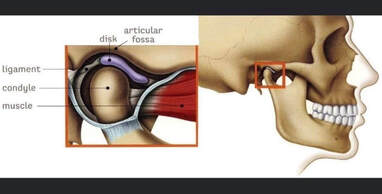
The temporomandibular joints (TMJ) are not designed to bear weight, unlike joints such as the hip or knee. This is one reason why joint problems in the TMJ are common. The TMJ is a type of synovial joint, which means it has two spaces filled with fluid—an upper and a lower space, separated by a disc.
Additionally, the TMJ is unique because it connects the lower jaw (mandible) to the skull, and the two sides of the mandible need to work together perfectly to allow the teeth to align properly when the mouth closes. This is unlike other joints, where bones meet but don’t have to work in sync with a set of teeth.
Jake B.
Dr Andrews & Dona are amazing. Had TMJ to the point where I went to an ENT specialist as I thought I had an ear infection. After 2 years of treatment and care from the team I now have little to no symptoms of TMJ if ever. Also improved dental hygiene and confidence, all thanks to the amazing dental care provided. Highly recommend
TMJ, TMD & HEADACHES TREATMENT
Over 29 million Americans suffer from headaches and migraines; It has been estimated that around 90% of the adult population suffer from various forms of an Occlusal Disorder (grinding and/or clenching, TMD).
Normally, during chewing, muscles of mastication squeeze your jaws with 30-50 pounds of pressure per square inch. But when someone clenches or grinds teeth at night the pressure jumps up to 1000 pounds per square inch. Nocturnal bruxism can destroy otherwise healthy dentition, creating cracks, shortening the teeth due to wear and ultimately – breaking teeth. The most common symptoms are: sensitivity to cold and hot, morning muscles stiffness, pain, cracking and dislocation of lower jaw joints (TMJ), ear pain, headaches & migraines. The latest research data show that as much as 70% of headaches and migraines are caused by grinding and clenching (TMD).
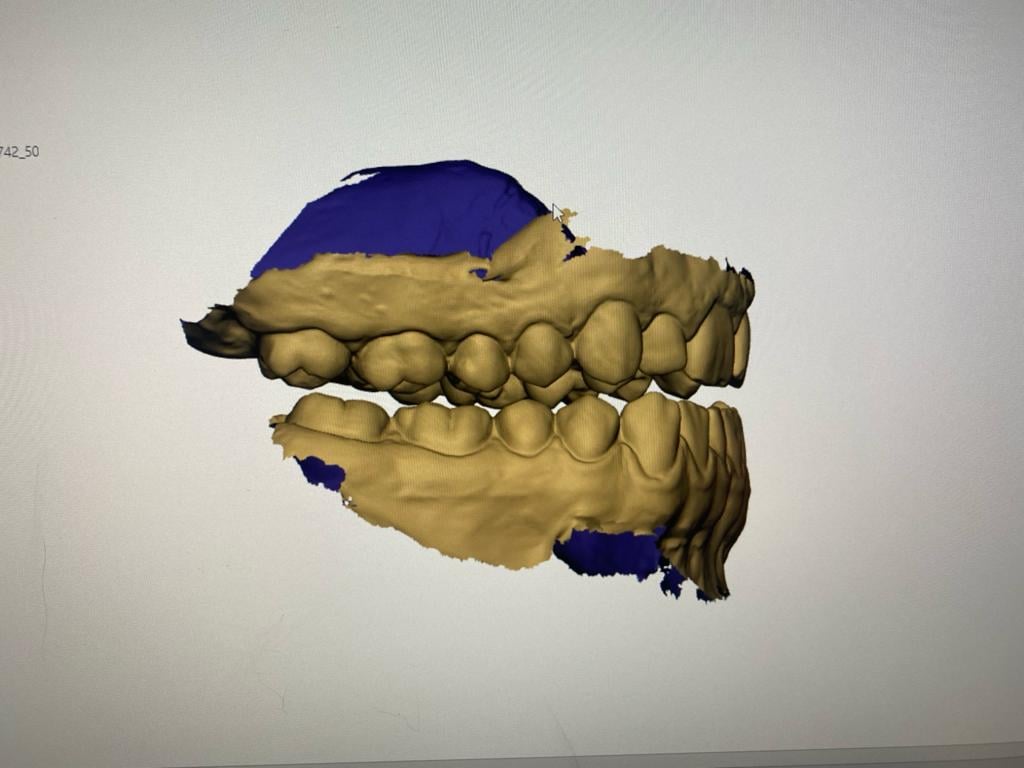
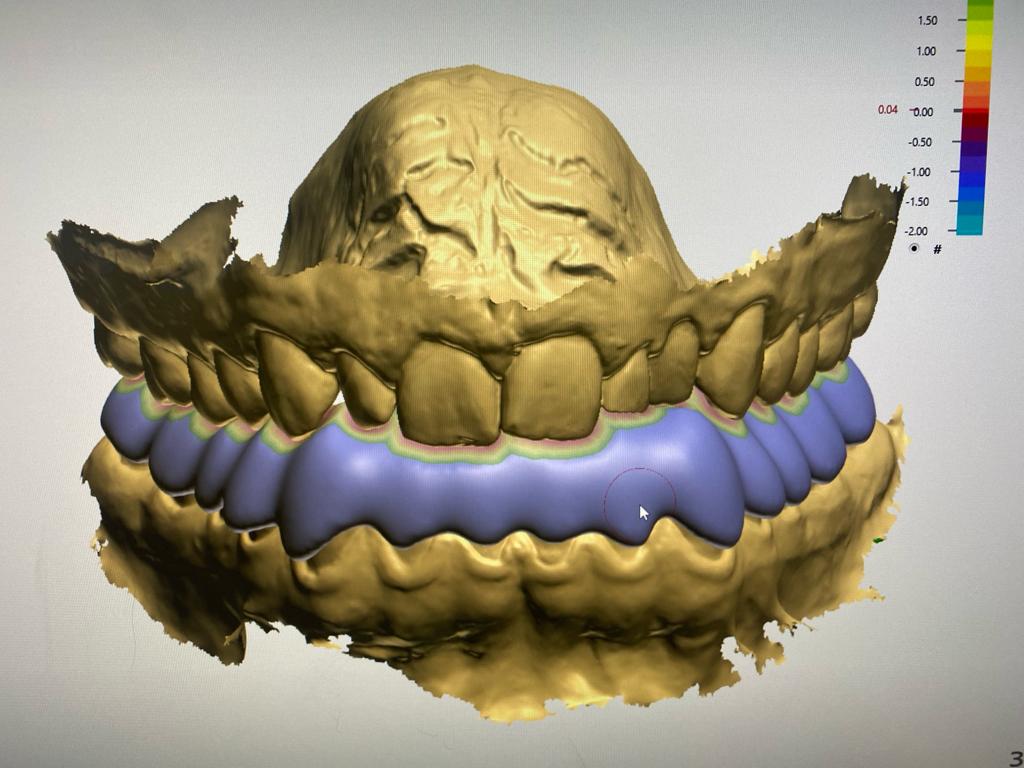
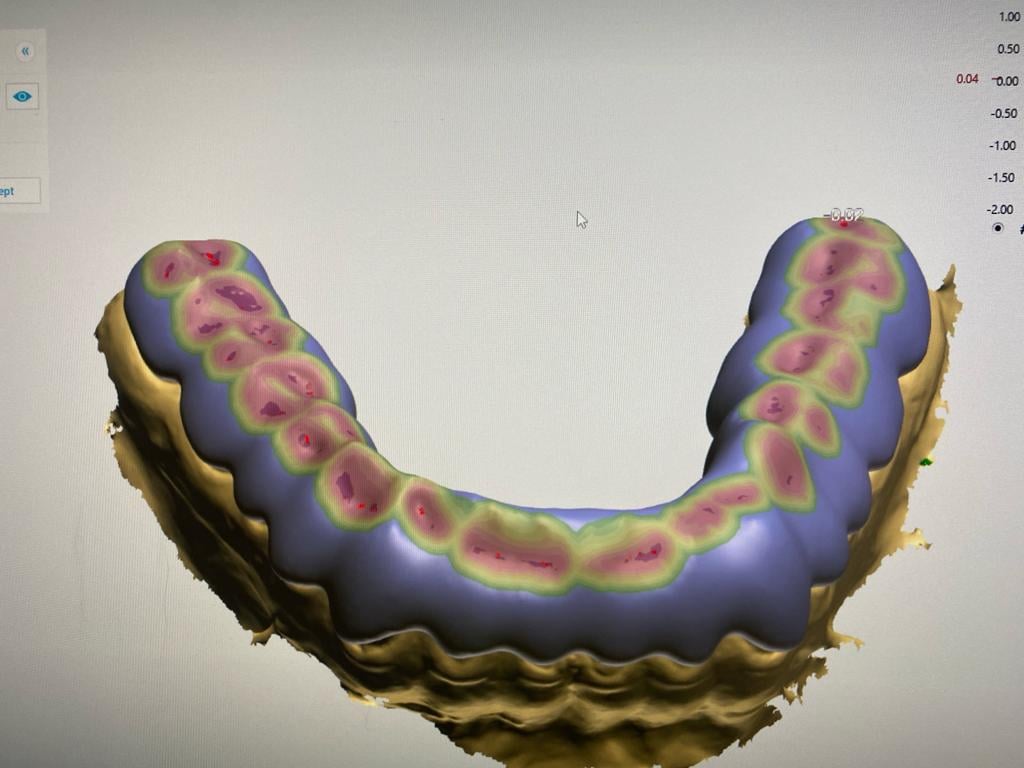
Dental Orthotic is an intraoral appliance that precisely places the lower jaw into the specific position, according to the diagnostic data, where the chewing muscles and TMJs are in a comfortable physiological equilibrium. The orthotic helps to test this new bite, provides pain relieve and healing. Orthotic Therapy is the advanced Neuromuscular Treatment, utilized when other appliances had failed to provide consistent, profound relief over a long period of time.
Mary
Dr. Anton Andrews and his team are fantastic and were incredibly accommodating while treating me for TMJ/TMD-related jaw pain and ear pain. He listened to all aspects of my concerns, conducted a thorough examination, processed the results, and then discussed and recommended treatment options. He was able to identify the problem using state-of-the-art technologies combined with his dental expertise. He created and provided me with two different custom devices over several months to iteratively correct my condition. My symptoms have improved tremendously, and I am back to eating normally with no jaw or ear pain. I am so thankful to Dr. Andrews for his excellent and accommodating care.
Trigger point injections are an effective, minimally invasive treatment for temporomandibular disorders (TMD) and tension-type headaches. By targeting hyperirritable muscle trigger points in the jaw, face, neck, and shoulder muscles, this therapy helps reduce muscle pain, improve jaw function, and relieve referred headache symptoms. Treatment is performed with precision, is generally well tolerated, and forms part of a comprehensive, conservative approach to managing chronic myofascial pain and muscular dysfunction.
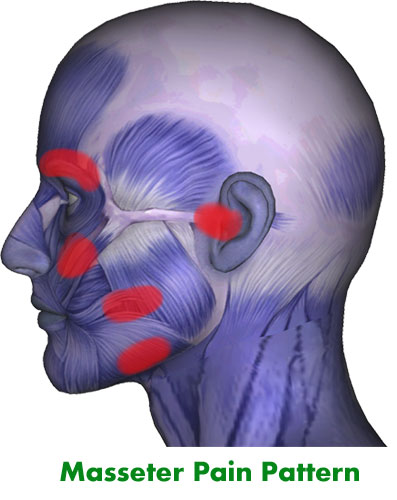
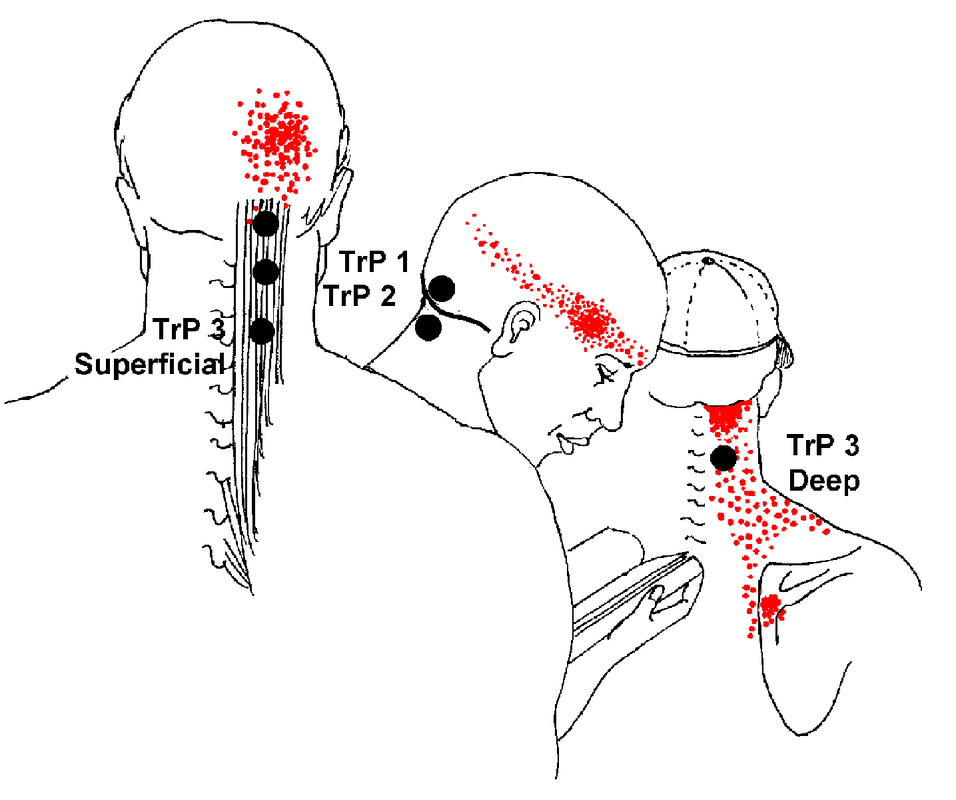
TENS – Transcutaneous Electric Nerve Stimulation is the valuable diagnostic tool and another treatment option for TMD.
It is used for the following:
- To relax chewing and neck/upper shoulder muscles
- To establish a physiologic occlusion (bite)
- To treat TMJ dysfunction and associated pain
- To relieve symptoms associated with muscle spasm (trigger points)
- To increase local blood circulation
- To increase mandibular range of motion
Amber B.
I’m thrilled to share my fantastic experience with Dr. Anton Andrews. Over the past year, he successfully helped treat my TMJ, resolving my jaw pain and limited jaw mobility issues. His insightful suggestions and the custom mouth guard he provided played a crucial role in alleviating my discomfort. Dr. Andrews’ expertise and dedication truly made a positive impact on my well-being, I was really worried about my teeth and stress caused to it and happy to be in a much better state!
Ear Infections, Tinnitus, and Ear Fullness. Retruded mandible — when the lower jaw sits further back than normal — can affect ear health. This jaw position can put pressure on the ear and the eustachian tube, leading to ear infections, a feeling of fullness or stiffness, and sometimes ringing (tinnitus).
Mouth breathing, often caused by nasal blockage or poor posture, can worsen these issues by increasing muscle tension around the jaw and ears and reducing proper ear ventilation. Treating jaw alignment and improving breathing can help relieve these symptoms.